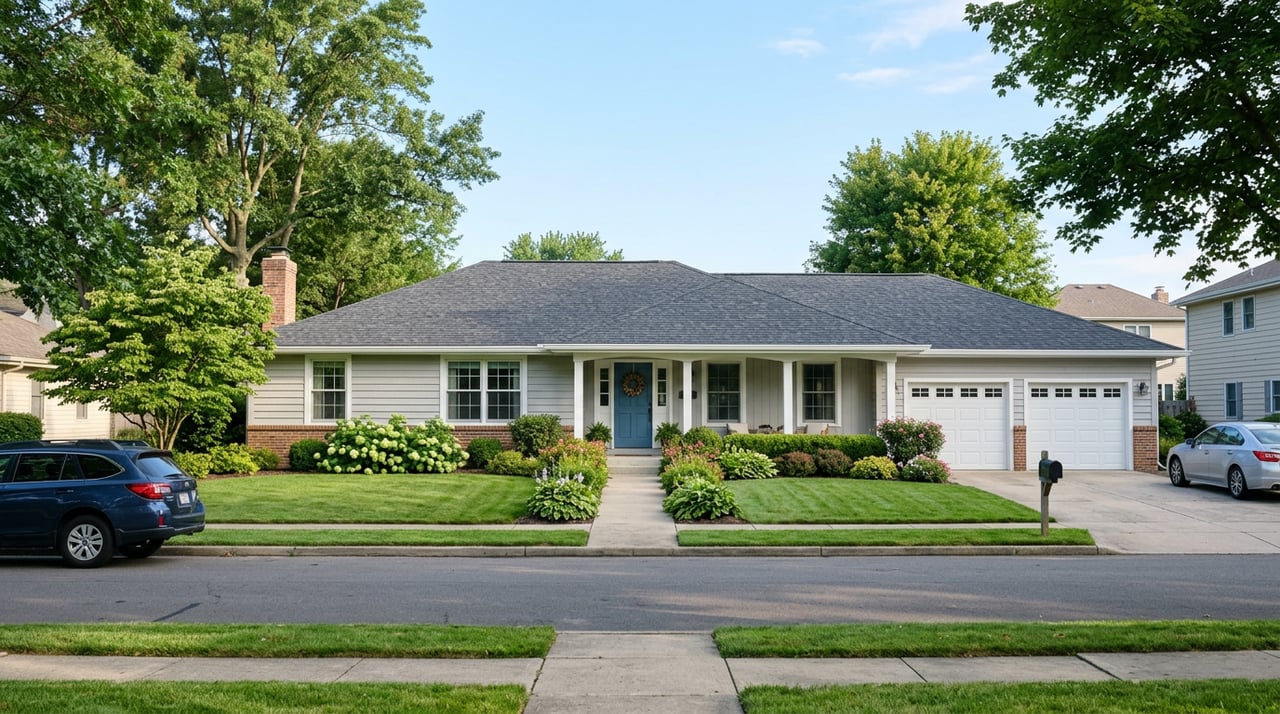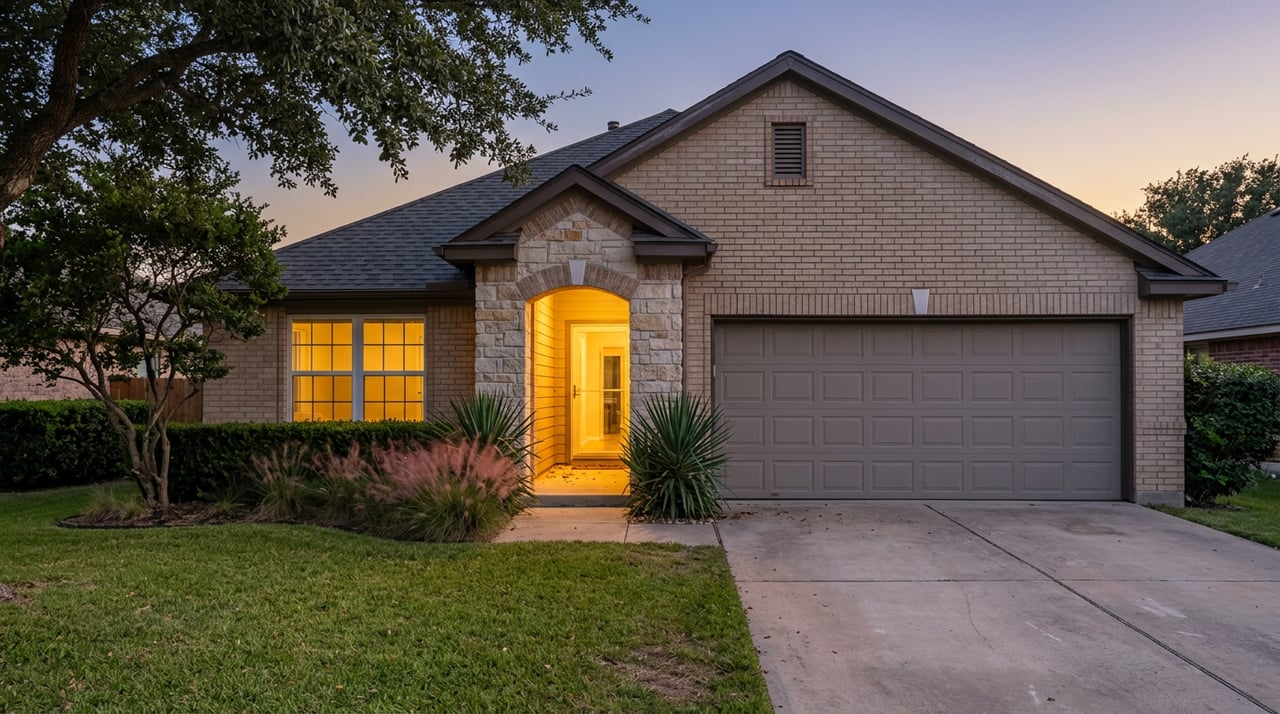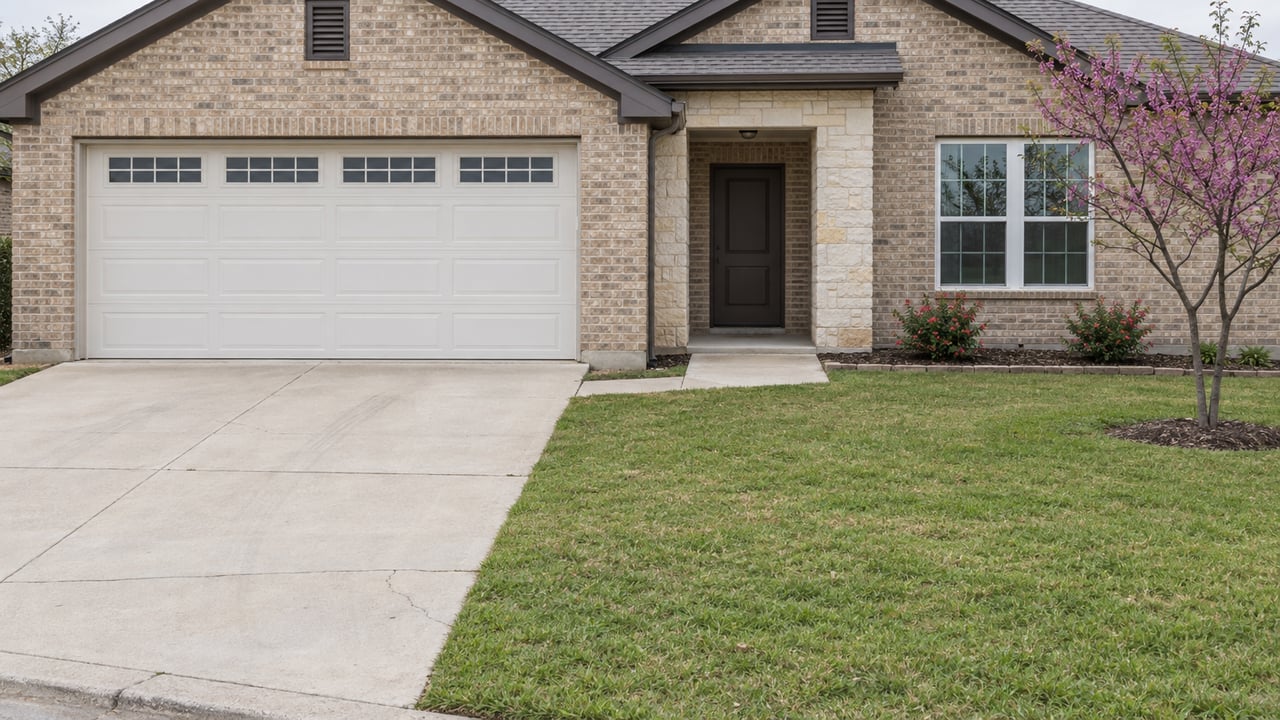
Bell County has roughly eight to twelve VA-certified appraisers actively taking assignments, according to one local lender. Tarrant County has more than thirty. That difference in appraiser supply helps explain why a 30-day VA close, a reasonable target in many markets, often stretches to 37 to 40 days in Killeen during the May through August PCS season.
Thirty days is a common target for a VA closing, and it is a reasonable one in a market with a deep appraiser bench. Bell County's calendar often runs longer, and knowing why helps a PCS buyer plan around a report date.
The Appraiser Count Nobody Puts on a Rate Sheet
A VA appraisal is not optional and the buyer does not choose who performs it. The lender orders it, the VA assigns it from a fee panel through its WebLGY system, and the report comes back on that appraiser's schedule, not the buyer's. In a market with dozens of appraisers working the panel, that assignment happens fast because the workload spreads thin. In Bell County, with a much smaller panel, each appraiser is carrying a heavier queue before your file even lands on it.
Routine VA appraisals in Bell County run 10 to 14 business days from assignment to Notice of Value under normal conditions. That is a workable number against a report date. The complication is that Fort Hood's peak move season and the appraiser queue's busiest stretch overlap.
| Routine Timing | May–August PCS Season | |
|---|---|---|
| Assignment to Notice of Value | 10–14 business days | 18–21 business days |
| Realistic full closing window | ~30 days (commonly quoted) | 37–40 days (actual) |
The right-hand column reflects a structural pattern in the appraisal queue. A file that runs 37 to 40 days in July is moving at the pace the local panel allows.
Why Report Dates and Appraisal Queues Collide
May through August is peak PCS season at Fort Hood, the same window when the largest share of the year's arriving and departing families are all trying to close at once. That timing means the appraiser panel backs up at precisely the moment the largest volume of buyers needs it to move fast. A queue that clears in 10 to 14 days in February can run 18 to 21 days in July, purely from volume, before anything about the specific property enters the picture.
Individual properties can add more time on top of that. Minimum Property Requirement issues, a Tidewater Initiative dispute over comparable values, or a reinspection after repairs can each add several more days, and those delays stack rather than run alongside each other. A buyer who assumes the inspection date is the finish line is assuming wrong. The file still needs report writing, upload, and VA review before the Notice of Value is issued, and on a complex property or during a heavy month, that back half of the process can take as long as the front half.
None of this means Killeen is a difficult place to close. It means the calendar math has a season, and the season is the one most PCS orders land in.
The One Lever That Actually Moves Your Closing Date
The single biggest variable a PCS buyer controls is not the lender, the price point, or even the property. It is when the loan file opens.
One Bell County lender reports that about 60 percent of its Fort Hood closings start the file before the buyer physically arrives, using the current Leave and Earnings Statement alone. Final orders and updated bank statements get added once the buyer is on the ground, but the underwriting engine is already running by then. Buyers who wait until they are standing in Killeen to start the process are, by the same accounts, the ones who routinely close 50 or more days after arrival, which in practice means another two months of hotel bills or Temporary Lodging Expense while the file catches up to the calendar.
The mechanism is simple once you see it. The appraiser bottleneck is fixed and largely out of anyone's control. The only thing a buyer can move is the start date of everything upstream of it. Opening a file 90 to 120 days before a report date, on nothing more than a current LES, is the version of this transaction that treats the appraiser queue as a known constraint instead of a surprise.
Same Installation, Two Names, One Practical Problem
Anyone researching this market online will run into a naming problem that has nothing to do with real estate and everything to do with how confusing the research can get. The installation was Fort Hood for decades, was renamed Fort Cavazos in 2023, and was redesignated back to Fort Hood in the 2025-2026 window. Same post, same gates, same command structure, which currently includes III Armored Corps, the 1st Cavalry Division, and the 3rd Cavalry Regiment.
The practical issue is that articles, BAH tables, and lender guides published between 2023 and early 2025 reference Cavazos, and material published since references Hood, and a buyer cross-checking numbers across sources can end up comparing two labels for the same installation without realizing it. It is worth reading the date on anything you find before assuming a figure is current, and worth checking that a source using one name isn't simply older or newer than one using the other, rather than describing a different post entirely.
The Funding Fee Decision Hiding Inside Every VA Offer
The VA funding fee is where a lot of first-time PCS buyers lose track of real money without meaning to. On a $300,000 loan with $0 down, a buyer using VA entitlement for the first time pays a 2.15 percent funding fee, which comes to $6,450. That amount can be rolled into the loan rather than paid at closing, which raises the monthly payment by roughly $42.
The number changes meaningfully for a buyer who has used VA entitlement before, which describes a large share of career service members moving through a second or third duty station. Subsequent use carries a 3.3 percent fee. On that same $300,000 loan, that is $9,900, a difference of $3,450 from the first-time rate, financed into the loan either way. Veterans rated 10 percent or higher disabled by the VA pay no funding fee at all, which is worth confirming early since it changes the loan amount calculation from the start rather than after the fact.
None of this is unique to Killeen. What is local is how often it gets missed here specifically, in a market where the buyer pool skews so heavily toward repeat VA use that assuming the lower first-time rate applies is a common and costly mistake.
The Tax Rate Two Lenders Can't Agree On
Ask two different lenders serving the same Killeen buyer what Bell County's effective property tax rate is and you may get two different answers. One recent lender guide cites 1.82 percent. Another puts the figure closer to 2.2 percent. Both are describing the same county in the same year, and the gap comes down to what each is blending into an effective rate: city, county, school district, and any special districts a specific address happens to sit inside.
The City of Killeen's own fiscal year 2026 ad valorem rate was set at 70.14 cents per $100 of valuation, and that figure is only one layer of the total bill a homeowner actually pays. The lesson for a PCS buyer isn't which blended percentage to trust. It is that a single quoted effective rate is a starting estimate, not a number to build a hard budget around, and the only way to get the real figure for a specific address is to pull the actual certified tax statement for that property rather than rely on a countywide average.
The exemption that changes this math the most is the one built for disabled veterans. Texas grants a full homestead exemption on the primary residence of a veteran rated 100 percent disabled by the VA, which on a $241,000 home works out to roughly $4,400 in annual tax relief, every year, for as long as that home is the primary residence. Partial exemptions apply on a sliding scale for ratings between 10 and 90 percent. That exemption gets filed with the Bell County Appraisal District after closing, and it is worth confirming as part of the closing process rather than treating it as a separate errand for later.
What This Actually Means for a Report Date
Killeen's median sale price sat somewhere in the mid $200,000s as of mid-2026, with different sources placing it anywhere from roughly $225,000 to $241,000 depending on the month and which data set they pulled from. That range matters less than the timeline built around it. A buyer working from a hard report date isn't served by knowing the median. They're served by knowing that the appraisal step alone can run anywhere from two weeks to three, that the season they're moving in decides which end of that range they land on, and that the single move most likely to protect their closing date is opening the loan file before the moving truck is even packed.
If you're working toward a Fort Hood report date and want to talk through a closing calendar that accounts for this season's appraiser queue, get in touch with Bradley Sheppard while there is still room in the schedule.