If you want more space, a simpler commute, and a small-town setting without feeling cut off from bigger job centers, Troy deserves a close look. Many buyers are trying to balance daily drive times, home prices, and the kind of community feel they want for the long run. This overview will help you understand what Troy’s housing market, commute patterns, and local setting look like today so you can decide if it fits your goals. Let’s dive in.
Why Troy stands out
Troy is a small Central Texas city along the IH-35 corridor between Temple and Waco. According to the City of Troy, it describes itself as a bedroom community with family-oriented amenities, community events, and local services that support day-to-day living.
That location is a big part of Troy’s appeal. You get a smaller community setting while still being positioned for access to larger employment, medical, and service hubs in the corridor. For many buyers, that creates a practical middle ground between convenience and breathing room.
Troy at a glance
Troy’s city profile notes community events like the Troy Annual BBQ Cook-Off and Troy Fun Fest, which help give the city a connected, local feel. Data USA estimates Troy’s 2024 population at 2,844, with a median age of 33.8, suggesting a relatively young community overall.
If you are comparing Troy with larger nearby cities, the scale is one of the clearest differences. The town is smaller, more residential in feel, and built around the idea of living in Troy while commuting elsewhere for work, services, or regional amenities.
Housing in Troy
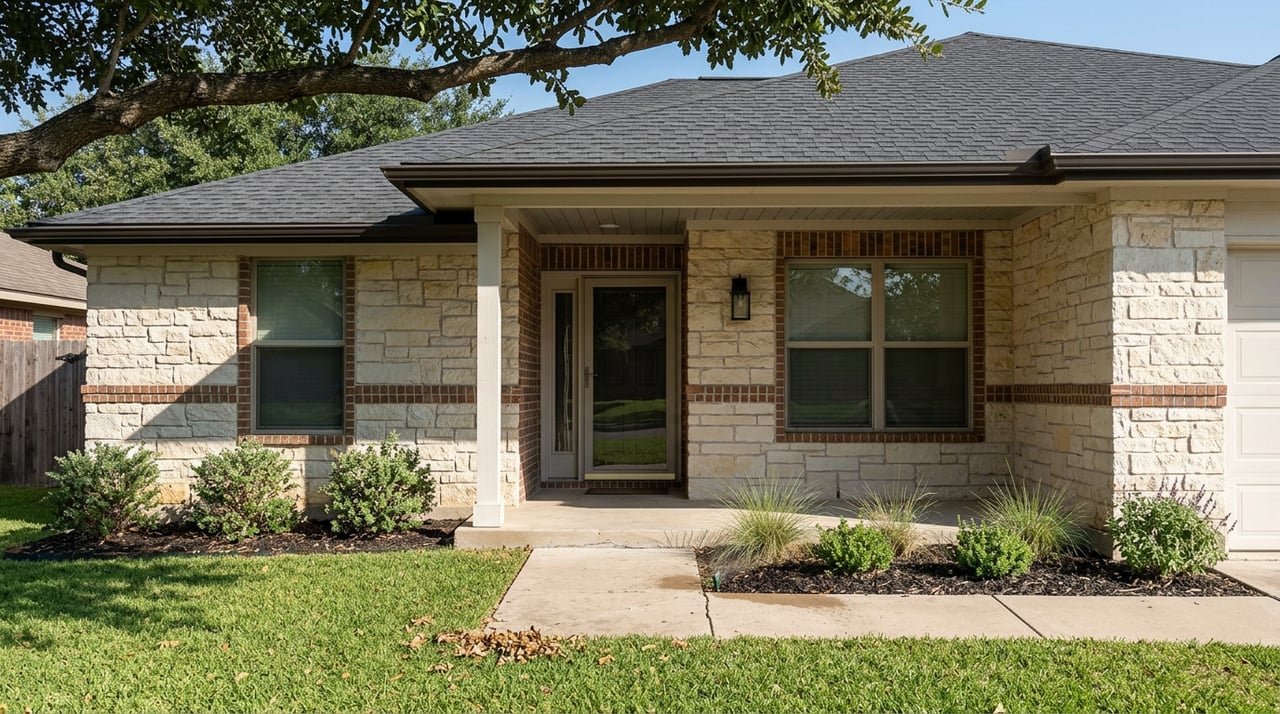
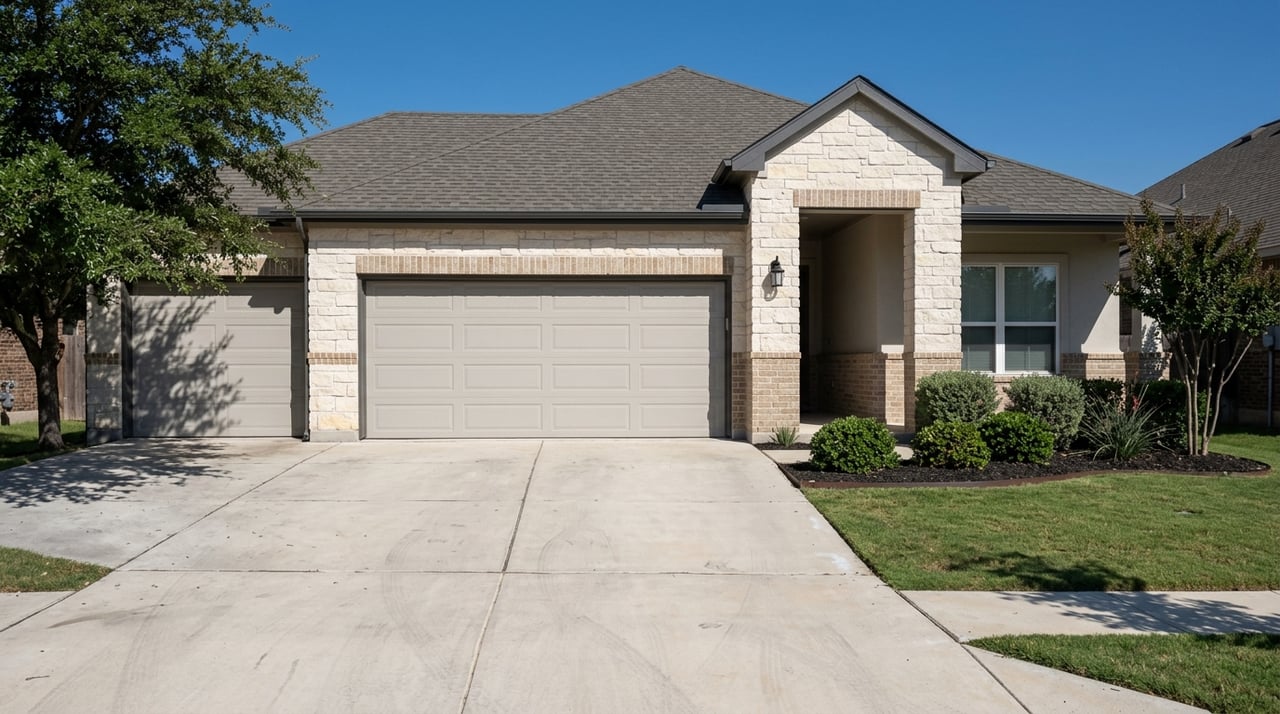
Troy’s housing stock is dominated by detached homes. NeighborhoodScout reports that 80.76% of the market is made up of single-family detached homes, while apartments, duplexes, and townhomes represent a much smaller share.
That matters if you are looking for a more traditional residential setup. The same source says 80.13% of homes have three or four bedrooms, and 66.88% of homes are owner-occupied, which points to a market where primary residences play a major role.
Newer homes are common
One of Troy’s appealing features for many buyers is the age of the housing stock. NeighborhoodScout estimates that 46.69% of homes were built since 2000.
In practical terms, that means you are likely to find newer subdivisions and more modern floor plans than you might expect in some older small-town markets. If your wish list includes open living areas, extra bedrooms, or a more current layout, Troy may offer more options than a buyer first assumes.
Troy home prices and market pace
Troy’s market data tells a story of long-term growth with a slower, more measured pace in the current market. Redfin reports that in February 2026, the median sale price was $258,450, up 2.6% year over year, and the median days on market was 266.
At the same time, Realtor.com’s 76579 ZIP overview for December 2025 showed a median home sale price of $325,000, 135 active listings, and 114 median days on market. These numbers do not line up exactly because the sources use different methods and geographic boundaries, but both point to the same broad takeaway: buyers generally have options, and homes are not moving instantly.
What the current market means for buyers
If you are buying in Troy, a slower market can give you more time to compare homes and neighborhoods carefully. You may not face the same level of speed and pressure that buyers sometimes see in hotter markets.
That said, you still want to pay attention to pricing, condition, and location. Well-positioned homes can still attract attention, especially in a market where detached homes with practical layouts are the norm.
What the current market means for sellers
If you are selling in Troy, patience and strategy matter. Longer days on market can mean presentation, pricing, and marketing have an even bigger impact on your results.
This is where local guidance becomes important. A seller needs to understand how Troy fits into the wider Bell County and Central Texas market, not just what a headline number says.
Long-term appreciation in Troy
Even though current conditions appear more balanced, Troy has seen strong long-term growth. NeighborhoodScout estimates that home values in Troy increased 125.89% over the last 10 years, even though its latest 12-month appreciation estimate was slightly negative.
That combination is useful context for buyers and sellers alike. It suggests that Troy has experienced meaningful value growth over time, while also showing signs of a cooler or more normalized market in the near term.
Commute access from Troy
For commuters, Troy’s location is one of its strongest selling points. The City of Troy highlights its position between Temple and Waco, and Travelmath estimates a drive of about 8 miles and 12 minutes to Temple and about 27 miles and 28 minutes to Waco under typical conditions.
If you work in Temple or need regular access to healthcare, shopping, or major employers in that area, Troy can make a lot of sense. Waco is also within reach for households whose routine includes travel north along the corridor.
Troy is built for car commuting
Troy’s commuting pattern is vehicle-based, which is what most buyers would expect in a city of this size. Data USA reports that 86% of workers drove alone in 2024, the average commute time was 27.1 minutes, and the average household had two cars.
That profile tells you a lot about daily life in Troy. Most work trips and errands are done by car, so easy highway access tends to matter more than transit options.
Troy for families
For households focused on everyday livability, Troy offers a smaller community setting with local schools and a more residential pace. Troy ISD operates four campuses: Edna Bigham Mays Elementary School, Troy Elementary School, Raymond Mays Middle School, and Troy High School, according to the district website.
The district serves about 1,703 students. Troy ISD also reports a 98.2% four-year graduation rate and about 13.3 years of average teacher experience, while the Texas Tribune lists the district’s 2024-2025 accountability rating as a B through the district’s published information.
What that means for your search
If you are drawn to a smaller school district structure, Troy may be worth considering. Based on the district’s size, campus count, and the city’s local description, the setting may appeal to buyers who want a smaller community environment than they would find in larger Bell County cities.
When you are home shopping, it helps to look beyond price alone. School district structure, commute routine, home age, and bedroom count can all shape whether a place feels workable for your household over time.
Who Troy may fit best
Troy can be a strong fit if you want a detached home, reasonable access to Temple, and a smaller-town atmosphere. It may also appeal to buyers who prefer newer housing stock and do not mind a market where inventory can sit longer than in faster-moving cities.
For some households, that slower pace is actually a plus. You may have more room to make a careful decision instead of rushing into a purchase.
Practical takeaways before you move
If Troy is on your shortlist, here are a few things to keep in mind:
- Expect detached single-family homes to make up most of your options.
- Newer homes are common compared with many small-town markets.
- Commute access to Temple is one of Troy’s biggest strengths.
- The market may offer more negotiating room than a highly competitive area.
- Selling may require stronger pricing discipline and marketing strategy.
If you want help comparing Troy with Temple, Belton, or other nearby Bell County communities, working with a local expert can make the process much clearer. Bradley Sheppard can help you weigh commute patterns, neighborhood options, resale opportunities, and new construction choices so you can move forward with confidence.
FAQs
Is Troy, Texas a good place for commuters?
- Troy’s location on the IH-35 corridor is one of its biggest advantages, with estimated drive times of about 12 minutes to Temple and 28 minutes to Waco under typical conditions.
What types of homes are most common in Troy, Texas?
- Detached single-family homes dominate Troy’s housing market, accounting for 80.76% of the local housing stock according to NeighborhoodScout.
Are there many newer homes in Troy, Texas?
- Yes. NeighborhoodScout reports that 46.69% of Troy homes were built since 2000, so newer subdivisions and more modern layouts are common.
Is Troy, Texas a fast-moving real estate market?
- Current data suggests a slower market than many buyers expect, with both Redfin and Realtor.com showing longer days on market and available inventory.
What should families know about Troy ISD in Troy, Texas?
- Troy ISD operates four campuses, serves about 1,703 students, has a 2024-2025 accountability rating of B, and reports a 98.2% four-year graduation rate.