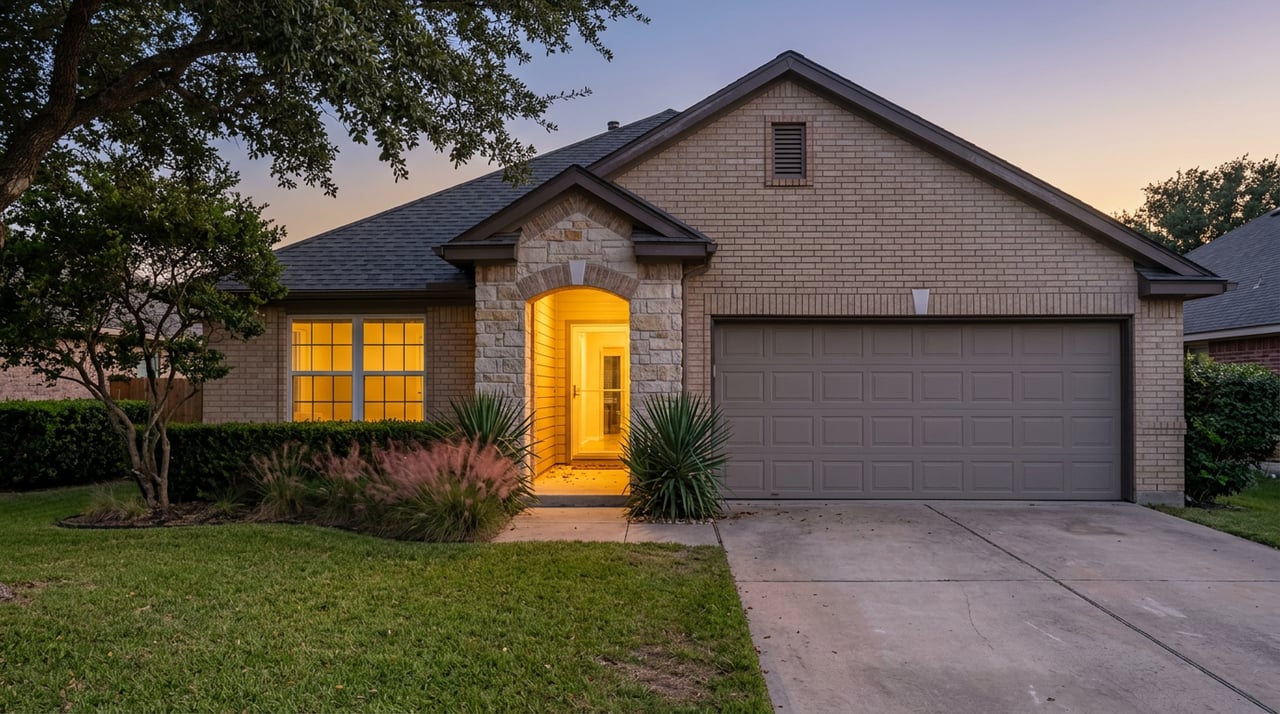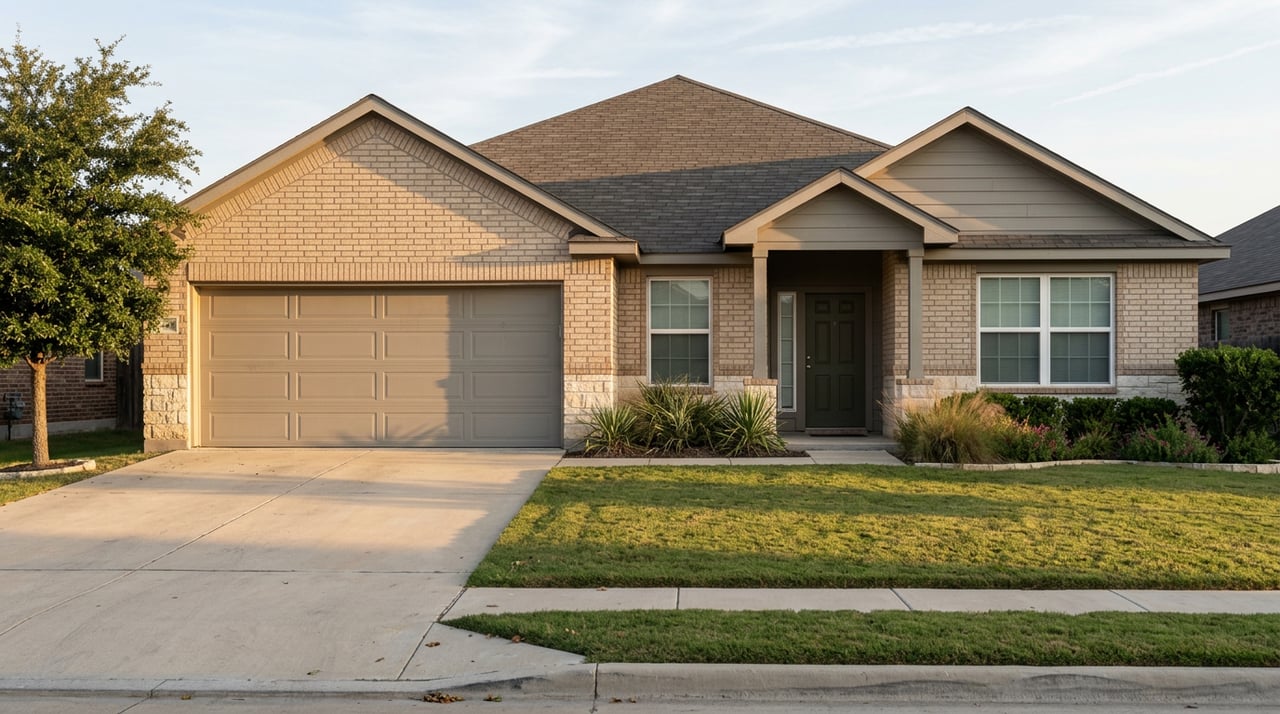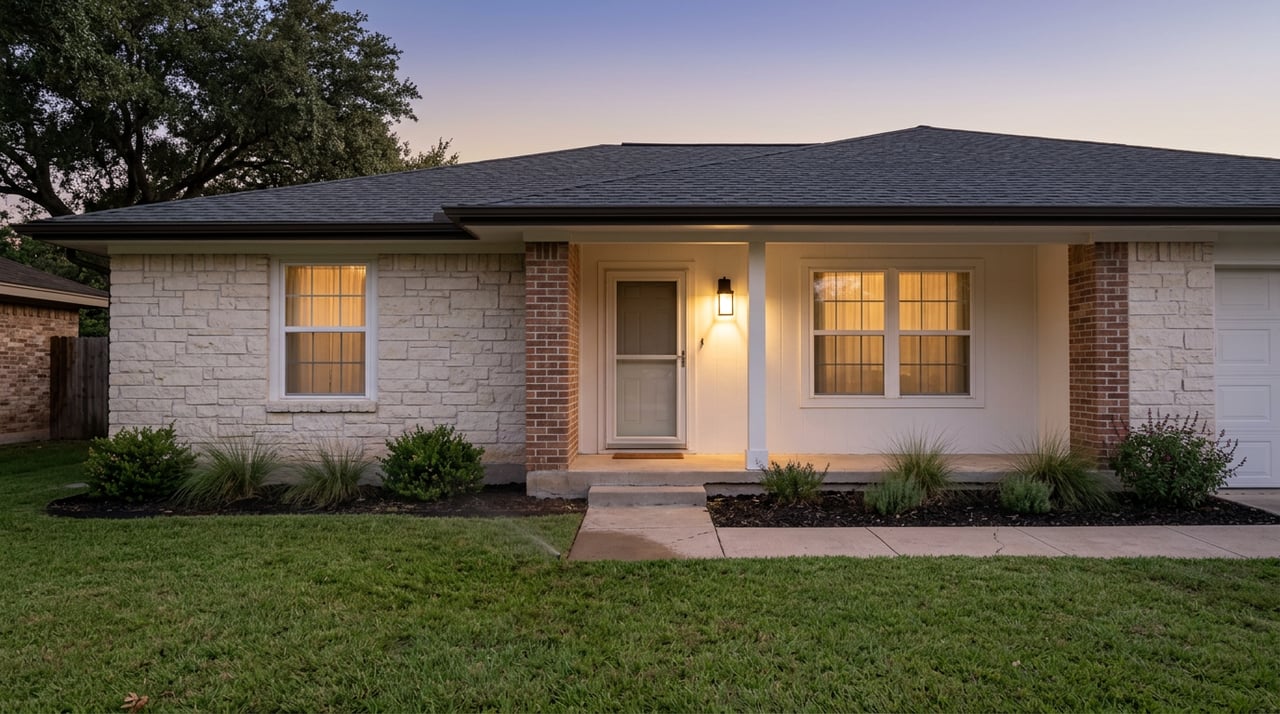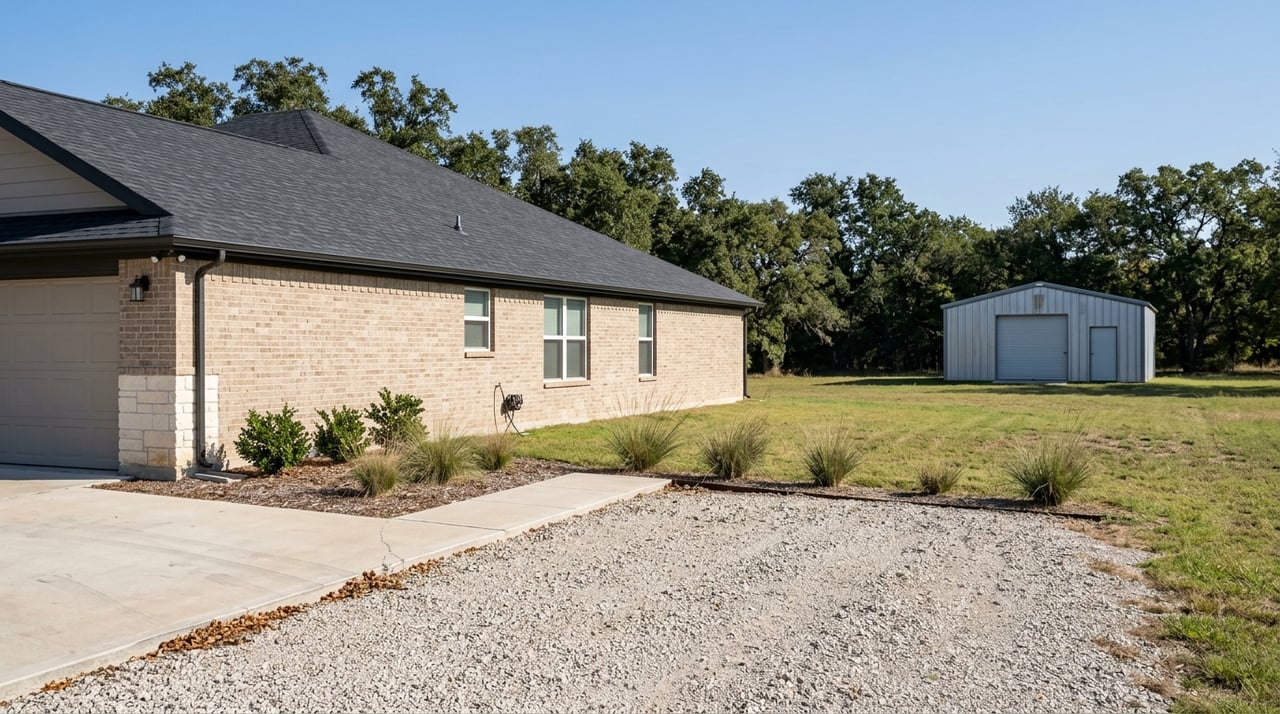
Looking for a home with more breathing room in Little River-Academy? You are not alone. Many buyers want extra space for a larger yard, a workshop, room to park equipment, or simply more distance between homes. The challenge is that this is a small market with limited inventory, so finding the right mix of house, land, and budget takes a smart plan. This guide will help you understand what “elbow room” looks like locally, what it may cost, and what to check before you buy. Let’s dive in.
What Elbow Room Looks Like Here
In Little River-Academy, “elbow room” can mean very different things depending on your goals. For some buyers, it is a quarter-acre in-town lot with a little more yard space. For others, it means small acreage with room for future projects, animals, or more privacy.
Current listing snapshots show the market baseline in the low-$200,000 range, though live summary figures on the same search page vary slightly. Realtor.com shows a median listing home price of $199.45k, while its FAQ on the same page lists a median home price of $214,900. The practical takeaway is that this market is still relatively accessible at the entry level, but true acreage usually costs more.
Little River-Academy also has thin inventory right now. The same market snapshot shows just 11 active listings, and the dedicated land-and-lots page shows only two land listings. That means timing, flexibility, and local guidance matter when you are shopping for more space.
What More Land May Cost
If you are trying to match your budget to the amount of land you want, the current asking-price landscape gives a useful starting point. These are asking prices, not guaranteed closing prices, but they help show how the market is segmented.
Quarter-Acre Lots
In-town homes on roughly a quarter acre are still showing up in the mid-$200,000 range. Current examples include 203 N Lamar St listed at $229,900 on 0.24 acre and 207 N 1st St listed at $235,900 on 0.25 acre.
For many buyers, this is the sweet spot. You may get a noticeably bigger yard than a tighter subdivision lot without jumping all the way into acreage pricing and rural-property due diligence.
Near-Acre Lots
If you want close to an acre, the budget tends to move up. One current example is 1513 W Main St at $319,900 on 0.97 acre.
That jump matters because it shows how quickly land value can affect the total price. If your goal is extra outdoor function rather than a very large tract, this tier may be worth watching closely.
Small Acreage Homesites
Once you move into small acreage, pricing rises again. A current example is 3340 Wilson Valley Rd at $425,000 on 2.62 acres.
This is often where buyers begin to get the flexibility they picture when they say they want elbow room. At the same time, this is also where questions about septic, wells, access, and future improvements become much more important.
Larger Acreage Tracts
For buyers looking for a much bigger footprint, current examples include 2792 Wilson Valley Rd at $699,900 on 18.37 acres and 27AC TX Highway 95 at $1.096M on 27.4 acres. These properties offer a very different lifestyle and ownership experience than an in-town home.
In simple terms, you may still find conventional in-town homes in the mid-$200,000 range, but a true acreage upgrade can move you into the low-to-mid $300,000 range and beyond fairly quickly based on current asking prices.
Why Inventory Can Be the Hardest Part
The biggest challenge in Little River-Academy may not be price alone. It may be availability. With only a small number of active listings and very few land listings at a given time, buyers often need to make decisions with limited options.
That does not mean you have to settle. It does mean your search should be organized around priorities, such as minimum lot size, whether you need public water, how much land must be usable, and how far you are willing to look outside town if local inventory stays tight.
Nearby Areas to Watch
When Little River-Academy does not have enough acreage choices, nearby communities can expand your options. Current nearby examples within about 20 miles include 10.27 acres in Holland at $390,000, 5 acres in Belton at $475,000, 13.18 acres in Holland at $369,000, 10 acres in Temple at $290,000, and 20 acres in Rogers at $250,000.
This wider search can be helpful if your main goal is land first and location second. It can also reveal better value per acre than what is available inside a smaller town at any given moment.
Check Water and Septic Early
If you are buying a property with more land in Bell County, water and wastewater details should be near the top of your checklist. A lot may look spacious on paper but still have limits that affect what you can build or where you can place improvements.
Septic Space Is Not the Same as Usable Space
Bell County Public Health District permits and regulates on-site sewage facilities, often called OSSFs, in Bell County. The county notes that septic disposal space depends on soil type, rock, topography, trees, setbacks, easements, and surface improvements.
That matters because the dedicated disposal area must be protected from later construction. In practical terms, you may own a large lot and still have less truly buildable or flexible space than you expected if a septic area, setbacks, or easements take up key parts of the property.
Before closing, it is smart to ask for septic permit records, the last inspection, and any maintenance paperwork. Bell County also notes that construction cannot begin until the permit is issued, and the system cannot be used until the final inspection passes.
Some Systems Need Ongoing Maintenance
Bell County says many mortgage lenders require a re-inspection of the septic system when a property is sold. The county also notes that some aerobic systems require a continuous maintenance contract that must be transferred within 30 days after a property changes hands.
That is an important ownership detail, especially if you are comparing an in-town home to a more rural property. Ongoing maintenance needs can affect both convenience and monthly planning.
Private Wells Need Verification Too
Bell County falls under the Clearwater Underground Water Conservation District. The district says it handles local well permitting, monitoring, and enforcement in Bell County, and it requires all existing wells to be registered while new wells must be registered before drilling.
If a property uses a private well, ask for the well registration paperwork early. The district also notes that domestic and livestock wells under 25,000 gallons per day are exempt from permits, but registration still matters.
For water quality, the EPA says private well owners are responsible for safe drinking water and should test annually for total coliform bacteria, nitrates, total dissolved solids, and pH. The EPA also recommends retesting after flooding, repairs, major land disturbance, or any noticeable change in taste, color, or odor.
Restrictions Matter More on Bigger Lots
A larger lot can open up possibilities, but it can also come with more paperwork. Bell County subdivision rules require deed restrictions to be shown on plats, distinguish private roads from public roads, and note that private roads are not maintained with public funds.
That means you should confirm more than just acreage. You should also understand access, who maintains the road, and whether restrictions affect how you can use the property over time.
Bell County rules also say a plat is generally required if a daughter tract has less than 50 feet of frontage on a public road or is under 10 acres. The county further requires a water-supply plan and wastewater-disposal plan, and if groundwater is the source, certification that adequate groundwater is available is required.
Do Not Overlook Tax Questions
If you are looking at larger tracts, property taxes deserve a closer look. Bell CAD says qualifying agricultural land is appraised under agricultural productivity rules based on land classification, land use, and intensity standards.
For a buyer, the practical question is simple: does the land currently have agricultural productivity valuation, and what happens if the use changes later? A change in use could affect long-term carrying costs, so this is worth verifying before you commit.
A Smart Buyer Checklist
When you are searching for elbow room in Little River-Academy or nearby Bell County communities, these are some of the most useful questions to ask:
- Is the property on public water or a private well?
- If there is a well, can the seller provide registration paperwork?
- Can you review septic permit records, inspection history, and any maintenance-contract documents?
- How much of the lot is actually buildable after setbacks, easements, and septic disposal area are considered?
- Are there deed restrictions or HOA rules that affect structures, parking, animals, or road use?
- Is the road public or private, and who maintains it?
- Does the property currently receive agricultural productivity valuation?
- Could a change in land use affect future taxes?
How to Shop With Confidence
The best elbow-room property is not always the one with the biggest acreage number. It is the one that fits how you want to live, what you want to build or maintain, and what you can comfortably afford over time.
In a small market like Little River-Academy, it helps to move beyond listing photos and ask practical questions early. A quarter-acre lot may be perfect if you want manageable outdoor space and fewer moving parts. A larger tract may be worth it if you need flexibility and are ready for the extra due diligence that comes with land, wells, septic systems, and restrictions.
If you want help comparing homes, land, and nearby acreage options in Bell County, Bradley Sheppard can help you sort through the details and focus on properties that truly fit your goals.
FAQs
What does elbow room usually cost in Little River-Academy?
- Current asking prices suggest in-town homes with modestly larger lots can still land in the mid-$200,000 range, while near-acre and small-acreage properties often push into the low-to-mid $300,000s and higher.
Are there many land listings in Little River-Academy right now?
- Inventory is limited. The current market snapshot shows 11 active listings overall and only two land listings on the dedicated land-and-lots page.
What should you ask about septic systems in Bell County?
- You should ask for septic permit records, the latest inspection, and any maintenance paperwork, because septic disposal areas, setbacks, and system type can affect how much of the lot is truly usable.
What should you verify if a Bell County property has a private well?
- You should confirm whether the well is registered with the Clearwater Underground Water Conservation District and ask for the registration paperwork before closing.
Can a large Bell County lot have limits on where you build?
- Yes. Septic disposal areas, setbacks, easements, deed restrictions, and road-access rules can all affect where you place additions, shops, pools, driveways, or other improvements.
Should you look outside Little River-Academy for more acreage?
- If local inventory is too thin, nearby communities like Holland, Belton, Temple, and Rogers may offer more acreage choices within a reasonable distance.