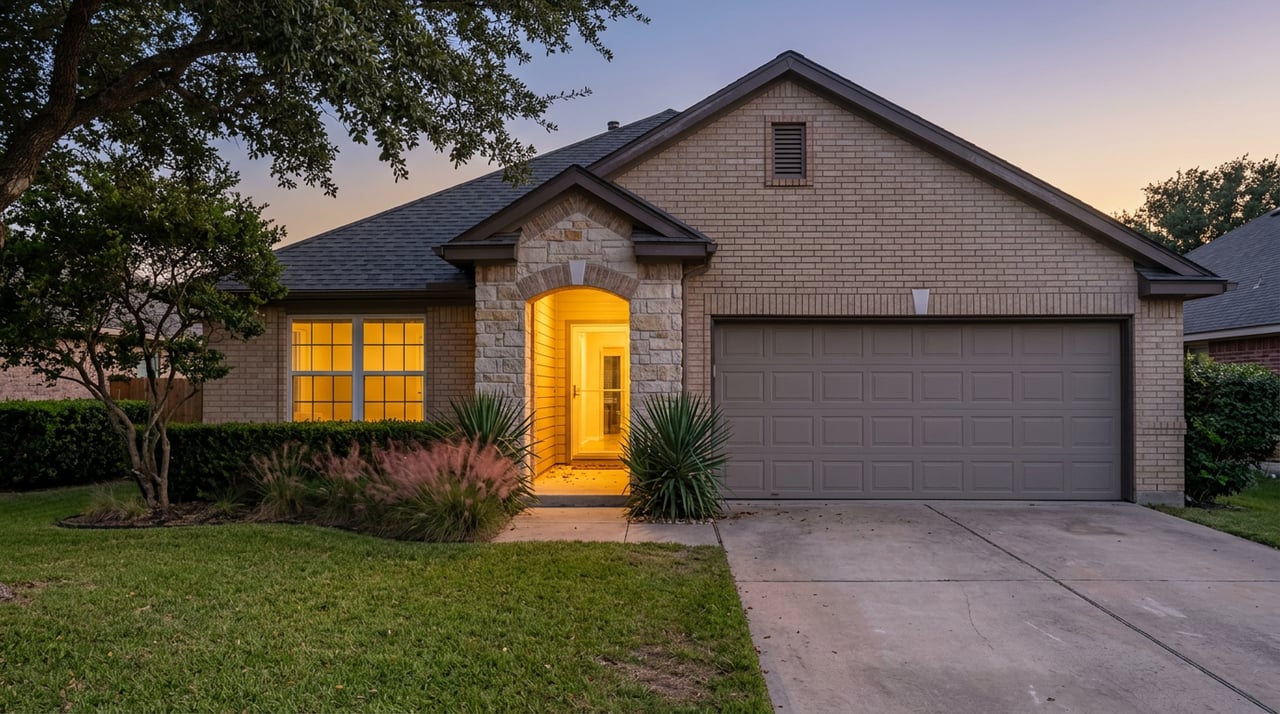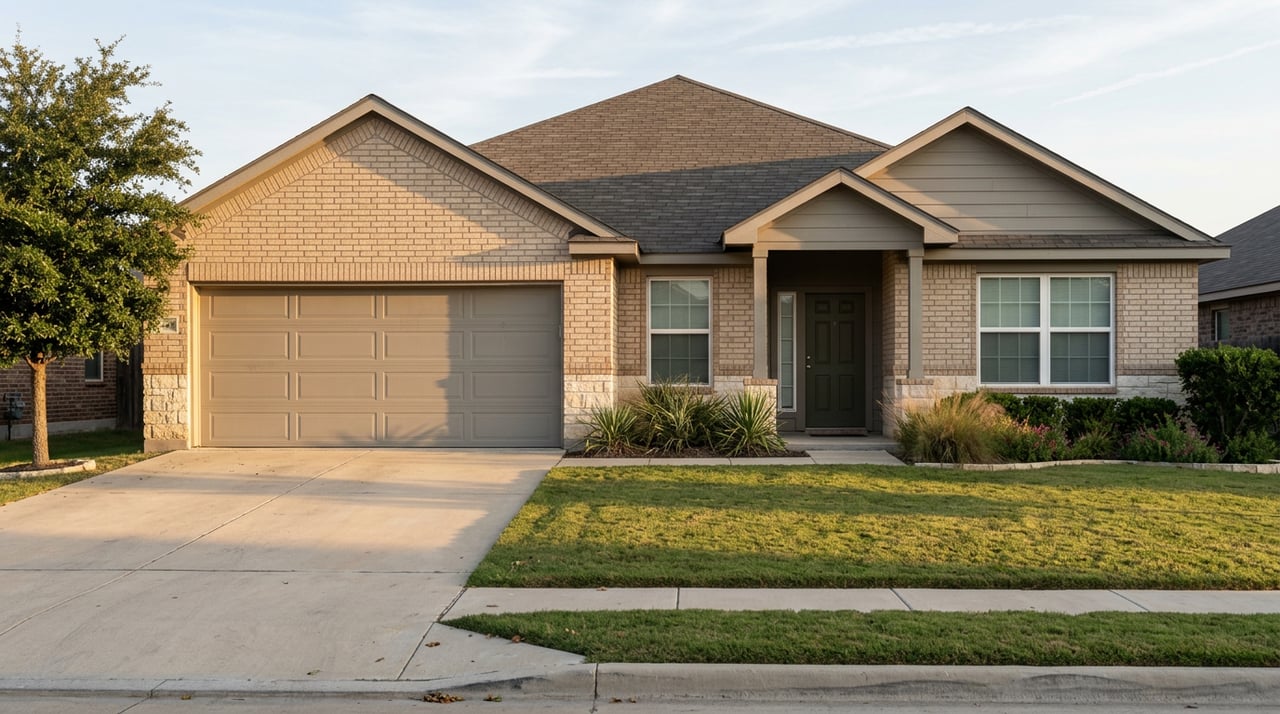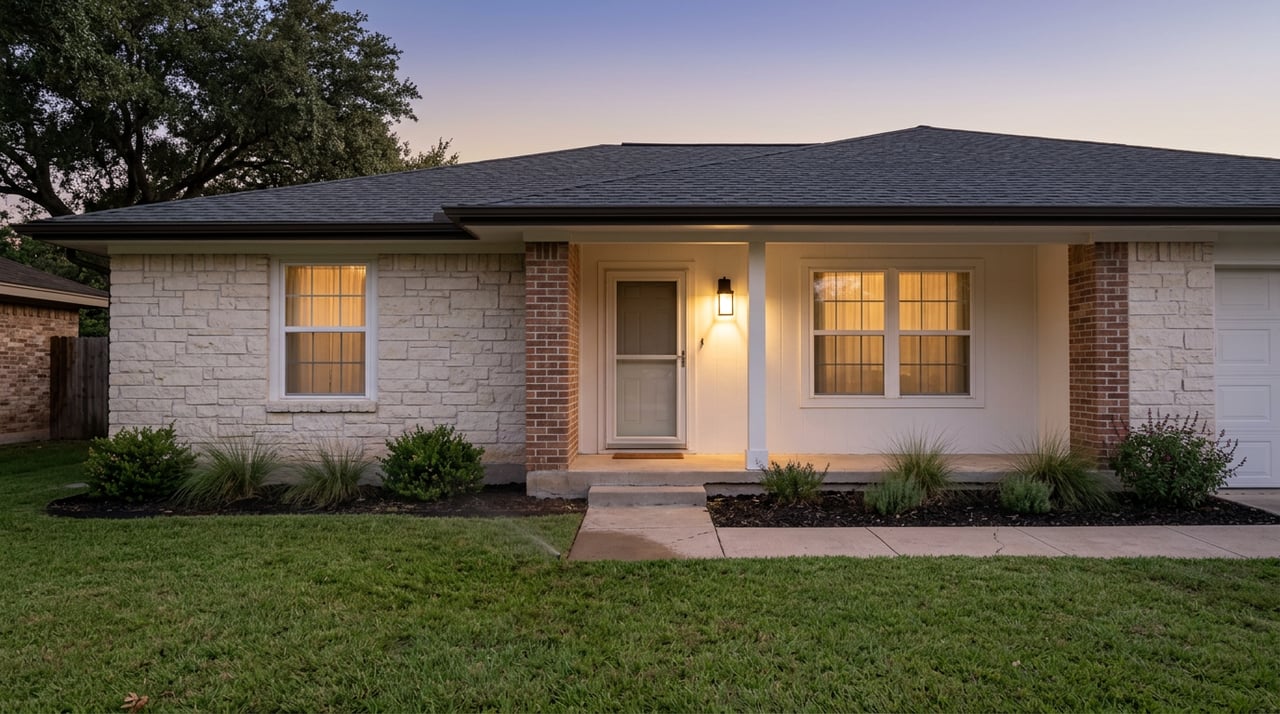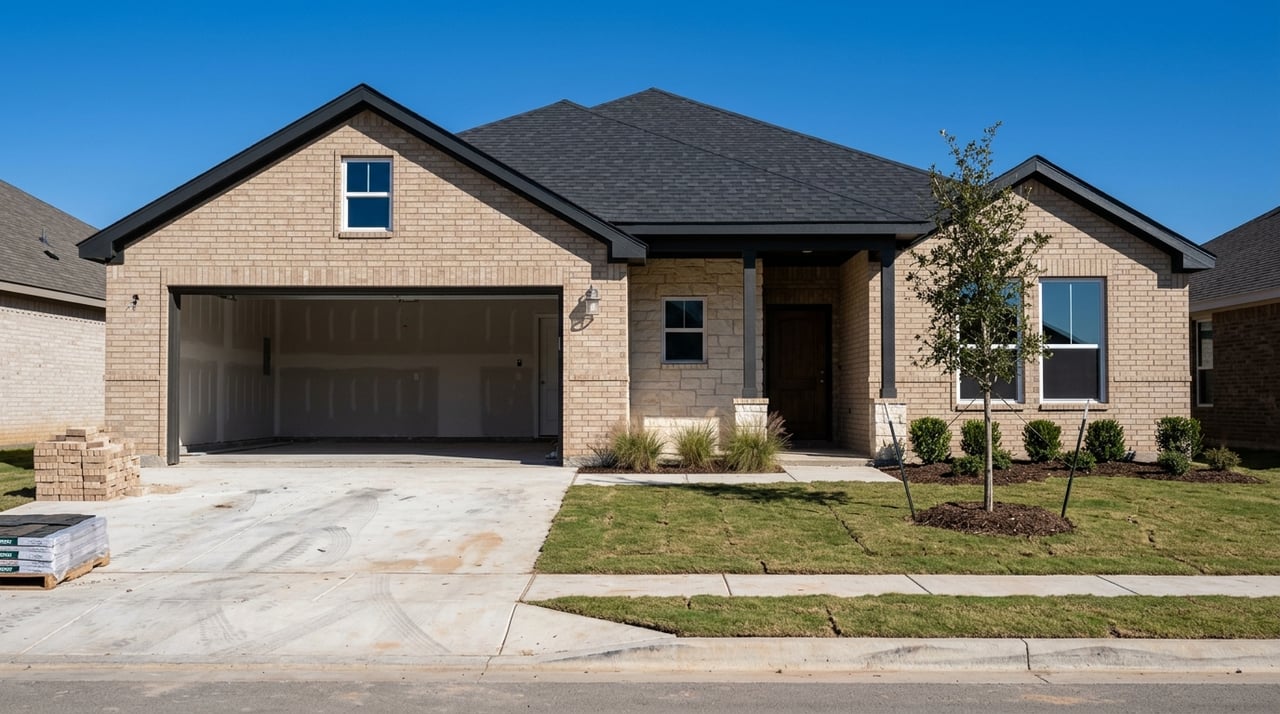
Buying a brand-new home in Temple can feel simple at first glance. You pick a floor plan, choose a lot, and wait for move-in day. In reality, new construction is a step-by-step process shaped by city approvals, builder timelines, inspections, financing, and closing details. If you understand how each stage works, you can make better decisions and avoid surprises. Let’s dive in.
Start With the Lot
In Temple, a new construction home starts long before framing goes up. The lot itself has to move through local planning and development steps, and that can affect when a builder is truly ready to sell or start construction.
Temple’s planning process can include zoning checks, Development Review Committee review, Planning and Zoning review, and sometimes additional approvals if exceptions are requested. Residential plat work may also require civil construction plans, drainage and stormwater information, geotechnical materials, and floodplain documents.
For you as a buyer, that means a lot listed in builder marketing is not always construction-ready yet. Availability can depend on where that lot stands in the city’s approval process, not just on whether it appears on a site map.
Why lot readiness matters
A lot that is still moving through platting or engineering review can affect your timeline from day one. If you are relocating, coordinating a lease end, or trying to sell your current home, that timing matters.
Temple says its Permitting and Inspections team provides comments within 10 business days, but some projects go through more than one review cycle. That is one reason new construction timelines in Temple are often flexible rather than fixed.
Understand the Texas Contract Stage
Once you choose a home or homesite, the next big step is the contract. In Texas, the form used can depend on whether the home is already completed or still under construction.
The Texas Real Estate Commission uses one contract form for a new home with incomplete construction and a different form for a completed new home that has never been lived in. That distinction matters because the contract terms, deadlines, and expectations may look different depending on the build stage.
Buyer representation now matters early
Texas rules now require a written agreement with a prospective residential buyer before a license holder shows property, or before presenting an offer if no property will be shown. That agreement must spell out services, termination date, exclusivity, and compensation.
Compensation is negotiable. TREC also says broker and sales-agent fees are not regulated by the state, so those terms should be clear and agreed to upfront.
Option periods and cancellation rights
One common misunderstanding is that Texas gives buyers an automatic three-day cancellation period. It does not. Any right to terminate comes from the contract itself.
If your contract includes an option period, that term is negotiable and can give you time to inspect the home and negotiate issues. Under the revised Texas forms, the option fee is delivered to the title company within three days after the effective date.
Builder deposits and financing choices
With a home that is not yet built, the builder may ask for an upfront deposit. If that comes up, it is smart to ask when that money can be returned and under what conditions.
You also do not have to use the builder’s affiliated mortgage lender. Even if the builder offers incentives tied to a preferred lender, you still have the right to shop and compare your options.
Financing a Temple New Build
Financing new construction can look different from financing a resale home. That is especially true when the home will take months to complete.
One option some buyers explore is construction-to-permanent financing. Fannie Mae says these loans can be structured as a single-close or two-close transaction. In a single-close loan, the construction and permanent financing are underwritten and closed together, and the lender handles the disbursement of funds during construction.
The main takeaway is simple: financing for a new build may need more planning than a standard resale purchase. Your loan timeline, rate strategy, and approval path should match the builder’s construction schedule.
Expect the timeline to move
In Temple, the path from contract to closing may be shaped by local review, utility and engineering signoff, construction progress, inspections, and lender underwriting. That is why exact closing dates are often hard to lock in too early.
If you are buying a new home on a deadline, it helps to build some flexibility into your plans. A realistic timeline can reduce stress if the build or approval process takes longer than expected.
What Happens During Construction
Once the home is underway, there is still plenty happening behind the scenes. The city has a role, the builder has a role, and you should still protect your interests along the way.
Temple’s process includes permit approval, construction inspections by the appropriate city inspectors, and a Certificate of Occupancy inspection before the home is completed for occupancy. Those city inspections are important, but they are not the same thing as having your own inspector.
Private inspections still matter
Even with a brand-new house, an independent inspection is still a smart step. A private home inspection gives you a separate review of the property’s condition and helps identify issues before closing.
That matters because an appraisal is not a home inspection. If you are using VA financing, that distinction is especially important, since the VA also reminds buyers that the loan guaranty does not guarantee the home’s condition.
Use contingencies when possible
Consumer guidance recommends making your purchase contingent on financing and a satisfactory inspection when possible. In practical terms, that can give you room to address concerns before you are fully committed.
This is one place where clear contract terms can make a big difference. The right structure can give you more protection while the home is still being completed.
Know What the Warranty Covers
New construction often comes with a builder warranty, but it is important to know what that means. A builder warranty is different from a separate home warranty or service contract.
The Federal Trade Commission says builder warranties often cover workmanship and materials for about one year, systems like HVAC, plumbing, and electrical for about two years, and some major structural defects for up to 10 years. Coverage can vary, so you should review the builder’s documents carefully.
FHA and VA buyers should pay attention
For buyers using FHA or VA financing, warranty requirements can play an extra role. The FTC says FHA and VA require builders to buy third-party warranties as protection for newly built homes financed with those loan types.
That added layer can be helpful, but it does not replace your own due diligence. You still want to understand what is covered, how claims are handled, and whether disputes go through mediation or arbitration.
Closing on a New Home in Temple
Closing is the final stage, but there are still a few important boxes to check before you sign. A smooth closing usually comes from good preparation rather than last-minute scrambling.
Buyers should receive the Closing Disclosure at least three business days before signing. That gives you time to review the final numbers, compare them to earlier estimates, and ask questions if anything changed.
Final walk-through and title steps
Before signing, you should also complete a final walk-through. This is your chance to confirm the home’s condition, check that agreed items are complete, and make sure the property is ready for closing.
You can also shop for title insurance and other closing services. Even in a builder transaction, reviewing those closing pieces carefully can help you avoid surprises at the end.
Builder Incentives Can Be More Flexible Than Price
Many buyers focus first on the base price, but that is not always where the real value is in a new construction deal. In many cases, the structure of the incentive matters just as much.
Common builder incentives can include closing cost assistance, mortgage rate buydowns, design upgrades, and discounted pricing on quick move-in homes. Some offers may apply only to certain homes, require use of a preferred lender, or depend on a specific closing deadline.
What you may be able to negotiate
Depending on the builder and community, the negotiable pieces may include:
- Closing cost assistance
- Rate buydown structure
- Included design upgrades
- Incentives tied to inventory or quick move-in homes
- Lender-related requirements
Looking at the full package matters more than looking only at the list price. A lower rate or better closing cost structure can have a bigger impact on your monthly payment than a small price reduction.
Why Local Representation Still Helps
When you visit a model home, the on-site sales representative can explain the builder’s product and process. But you may still want your own representation to help you compare timelines, incentives, inspections, and contract terms from your side of the table.
In Texas, licensed agents owe fiduciary duties to their clients. TREC says brokers and sales agents must provide minimum services, present offers and counteroffers honestly and fairly, inform clients of material facts, and answer questions.
For Temple buyers, that can be especially helpful when comparing builder incentives against the real monthly payment, expected closing timeline, and inspection leverage. If you are balancing a move, military relocation, or sale of another home, having local guidance can make the process easier to manage.
If you are exploring new construction in Temple and want clear, local guidance from lot selection to closing day, connect with Bradley Sheppard for practical help every step of the way.
FAQs
How long does new construction take in Temple?
- Timing can vary because Temple’s process may involve zoning checks, platting, development review, permit comments within 10 business days, inspections, and sometimes multiple review cycles.
Can you inspect a brand-new home in Temple?
- Yes. An independent private inspection is still recommended, and it is different from the city’s inspections or the lender’s appraisal.
Do you have to use the builder’s lender for a Temple new build?
- No. You can shop for your own lender, even if the builder offers incentives tied to an affiliated or preferred lender.
What contract is used for new construction in Texas?
- Texas uses different TREC contract forms depending on whether the new home is still under construction or already completed and never occupied.
What is usually negotiable on a Temple new construction home?
- The most flexible terms are often incentives such as closing costs, rate buydowns, upgrades, preferred-lender requirements, and other deal structure details rather than just the base price.
Is there a three-day cancellation period for a Texas new construction contract?
- No. Texas does not have a blanket three-day cancellation rule for these contracts, so any termination rights must come from the contract terms themselves.