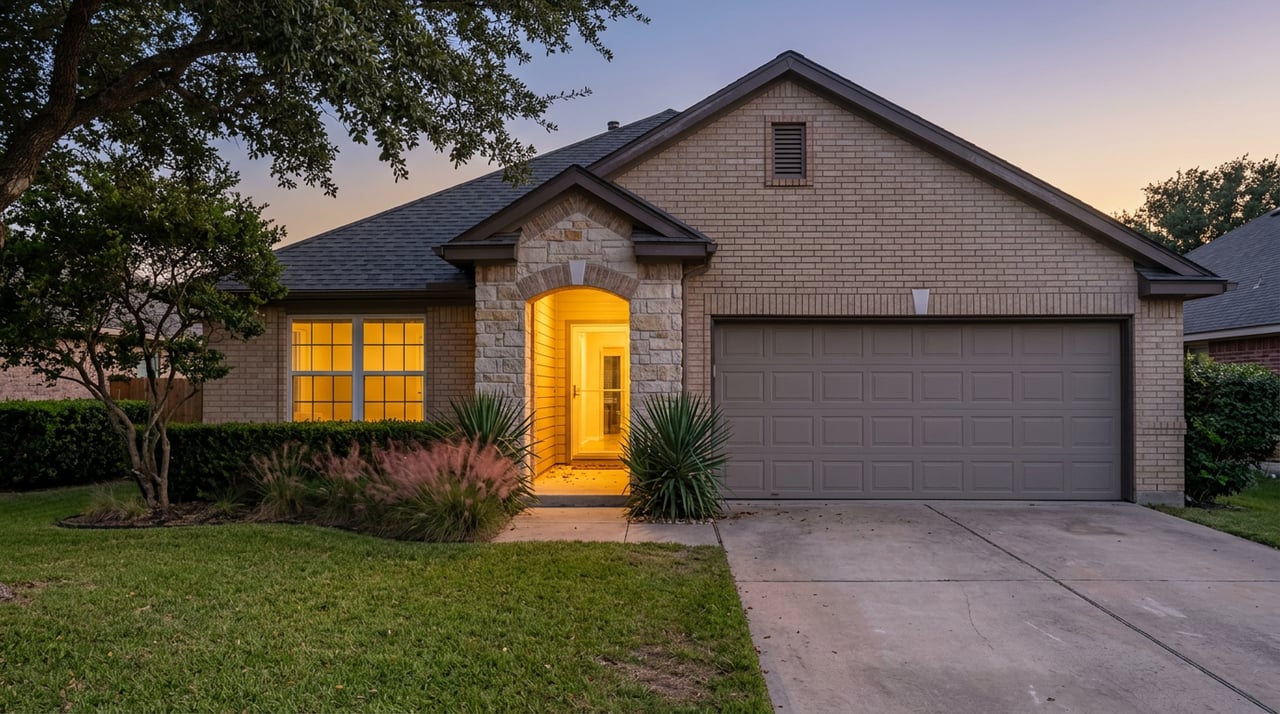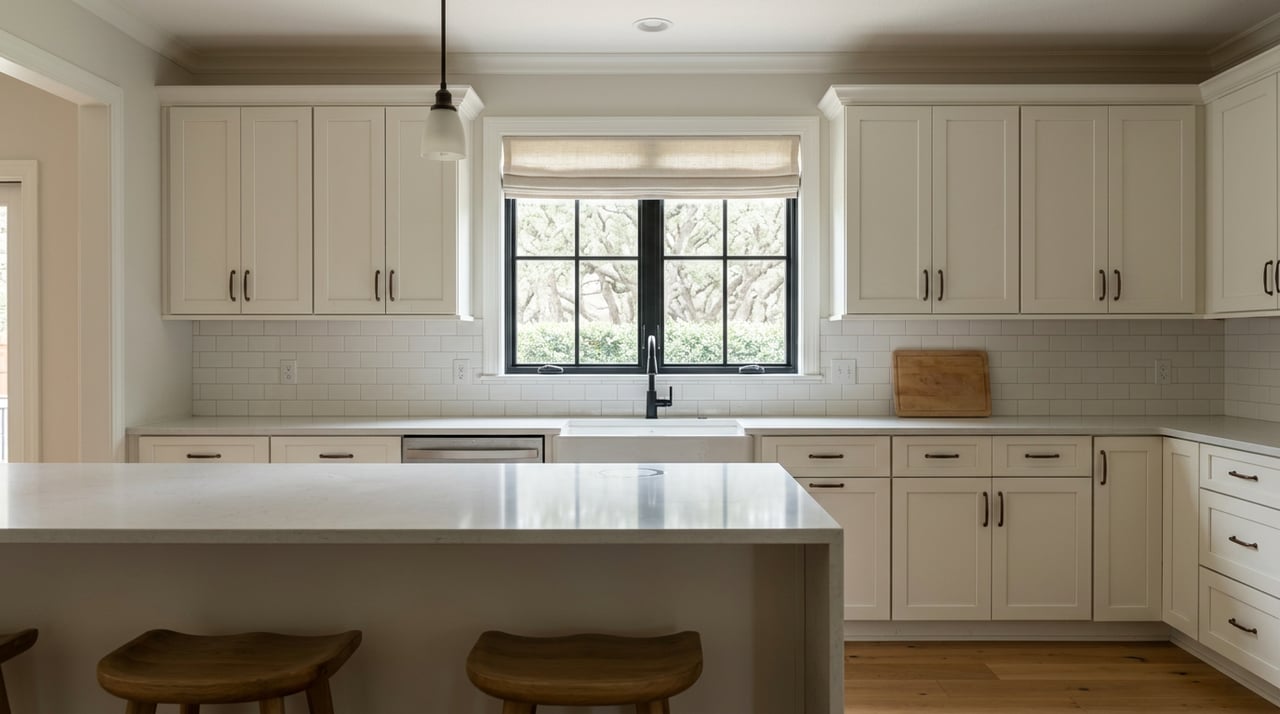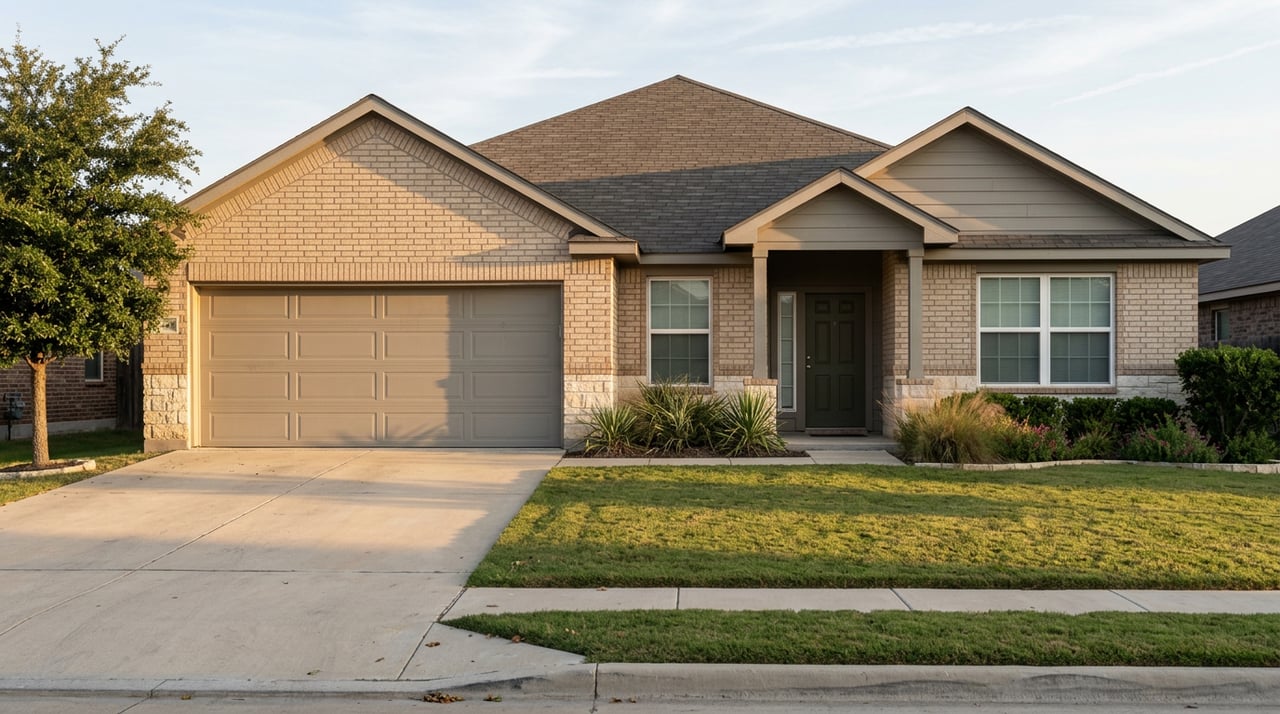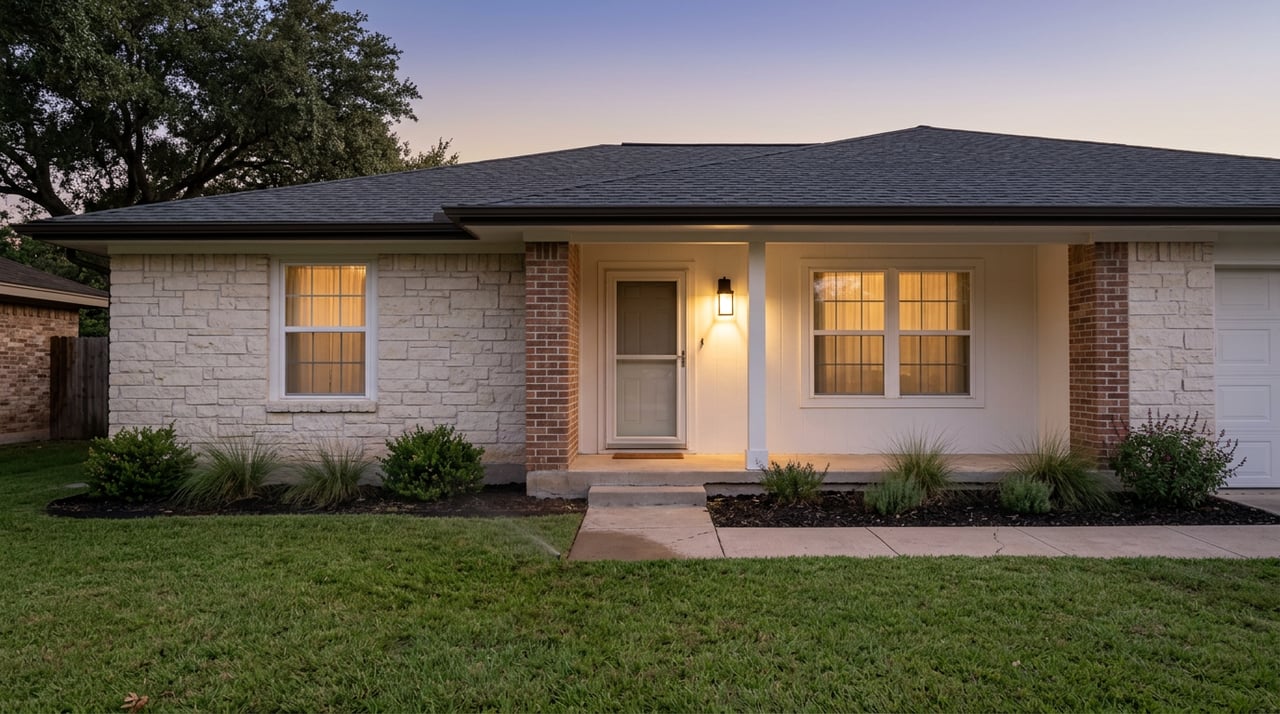
Trying to choose between a brand-new home and a resale home in Temple? You are not alone. In a market where buyers often have time to compare options, the smartest move is not just finding a house you like, but finding the right fit for your budget, timeline, and long-term costs. This guide will help you weigh new construction vs. resale homes in Temple so you can make a confident decision. Let’s dive in.
Temple market conditions matter
Temple’s housing market gives many buyers breathing room right now. Recent market data showed a median sale price of about $267,010, with homes taking roughly 82 to 111 days to sell and averaging about one offer. Realtor.com also described Temple as a buyer’s market in March 2026, with a 98% sale-to-list ratio.
That matters because you may not need to rush into the first home you see. Instead, you can slow down, compare new construction and resale options, and focus on which property works best for your monthly payment and move-in plans.
The City of Temple’s FY 2026 budget also tied $3.5 million in new property tax revenue to new construction and development. In simple terms, new supply is an active part of the local housing picture, which gives buyers more choices across Temple and nearby Bell County communities.
New construction: why buyers choose it
New construction often appeals to buyers who want a more turnkey experience. If you like the idea of modern systems, newer materials, and less near-term maintenance, a newly built home may feel like the easier path.
Another draw is energy performance. ENERGY STAR says certified new homes are built from the ground up for better energy efficiency and performance, and the U.S. Department of Energy says efficient new homes are verified by a qualified third party for energy savings, comfort, health, and durability.
Many buyers also like the layout and feature set that often comes with new homes. Builders have been adding flexible rooms, drop zones, EV charging stations, patios, front porches, decks, exterior lighting, and landscaping to improve how homes function day to day.
Builder incentives can change the math
One of the biggest advantages of buying new right now is that builders may compete more aggressively on price and incentives. NAHB reported in 2026 that 64% of builders offered sales incentives and 37% cut prices.
That means the sticker price is only part of the story. A builder may offer help through pricing, upgrades, or financing-related incentives, so it is important to compare the full package rather than just the list price.
Warranties can reduce early surprises
New homes also usually come with some form of builder warranty. The FTC says these warranties commonly cover workmanship and materials for one year, major systems like HVAC, plumbing, and electrical for two years, and structural defects for up to 10 years in some cases.
That does not mean a new home is maintenance-free. It does mean you may have more protection in the early years compared with buying an older home, where a home warranty would usually be a separate extra-cost service contract.
Resale homes: why buyers still prefer them
Resale homes continue to make a lot of sense for many Temple buyers. The biggest benefit is certainty. The home is already built, you can walk through the exact property, and your move-in timeline is usually easier to predict.
If you are relocating, balancing a job change, or trying to line up the sale of your current home, that timing can matter a lot. Existing homes often offer the faster path to closing and possession.
Resale also gives you the chance to evaluate the property in its current condition, rather than choosing from plans or a home that is still under construction. For many buyers, seeing the exact lot, layout, and finished surroundings helps reduce stress.
Resale may mean more upkeep
The tradeoff is that older homes often need more work after closing. Census Bureau data found that new owners of older homes spent a median of $3,900 per year on upkeep, compared with $1,500 for longtime owners.
Common projects included plumbing fixtures, flooring, water heaters, roofs, windows, and doors. So while a resale home may offer a quicker move, you should still budget for repairs and updates, especially in the first few years.
Temple costs go beyond price
Whether you buy new or resale, price is only one part of affordability in Temple. Your exact address can change your monthly costs more than many buyers expect.
Bell CAD’s 2025 tax rate table shows that a Temple address can include Temple city at 0.6999, Bell County at 0.3128, Temple ISD at 1.1372, Temple College at 0.2017, and Temple Health & Bio at 0.013947 per $100 of value. Some properties may also include special district charges such as Bell County MUD #1 or #2.
Because of that, two homes with similar prices can have meaningfully different monthly payments. This is one reason it helps to compare homes by exact address, not just by city name or subdivision name.
Check the full tax stack
Texas does not have a state property tax. The Texas Comptroller says local taxing units set property tax rates, and exemptions are filed through the county appraisal district.
For Temple-area buyers, the best move is to review the full tax stack on each address you are considering. Nearby communities such as Belton, Salado, and Troy can have different city and school tax rates, so the total carrying cost can shift even before HOA fees are added.
Do not assume taxes stay flat
If you plan to claim a residence homestead, Texas does offer a cap on annual appraised value increases after the exemption is in place. The Comptroller says the cap can limit increases to the lesser of market value or the prior year’s value plus 10% and new improvements.
Still, you should not assume the first-year tax bill after closing will stay the same in future years. That is especially important in new construction, where assessed values and exemptions can change over time.
Timeline and financing differences
Your move date should play a major role in your decision. If you need a home by a specific deadline, resale often offers more certainty because the house is already complete.
New construction can take longer, especially if the home is not yet built. Buyers of not-yet-built homes may also be asked for an upfront builder deposit, and it is important to ask when that deposit is refundable.
Financing for new homes can look different
New-home financing can be more layered than a standard resale purchase. Fannie Mae notes that lenders may use construction-to-permanent financing, either with one closing or two, so the loan can cover the build period and later convert to a long-term mortgage.
Even in a builder community, you do not have to choose the builder’s preferred lender. You should compare financing terms carefully and keep your offer contingent on financing and a satisfactory inspection so the final deal still fits your monthly budget.
Why inspections still matter
Some buyers assume a brand-new home does not need an inspection. That is not the best approach. Even with a new build, an independent inspection can help you catch issues before closing.
The FTC also notes that many new-home warranties use mediation or arbitration. It also says FHA and VA require builders to buy third-party warranties for newly built homes financed with those programs.
For resale homes, inspections are just as important because they help you understand the home’s condition and likely repair costs. For both options, the inspection is one of the best tools you have to reduce surprises.
How to decide in Temple
For many buyers, the choice comes down to three things: monthly payment, move-in timing, and maintenance tolerance. If you value customization, newer systems, energy efficiency, and warranty coverage, new construction may be the stronger fit.
If you value speed, a more predictable closing schedule, and the ability to see the exact home before you buy, resale may be the better path. In Temple’s current buyer-friendly market, you often have the chance to compare both without feeling rushed.
A smart way to evaluate your options is to build a five-year ownership budget for each home. Include:
- Purchase price
- Full property tax stack
- HOA or special district charges
- Expected maintenance and repair costs
- Utility costs
- Estimated move-in date
- Any builder incentives or lender costs
That kind of side-by-side comparison usually tells a clearer story than list price alone. In Temple, the right home is often the one that best matches your daily budget and your real-life timeline.
If you want help comparing builder inventory, resale options, or address-level costs in Temple and across Bell County, Bradley Sheppard can help you sort through the numbers and choose the path that fits you best.
FAQs
Is new construction cheaper than resale homes in Temple?
- Not always. The better comparison is the full cost of ownership, including price, builder incentives, taxes, HOA or special district charges, utilities, and maintenance.
Are Temple buyers in a fast market right now?
- Current data points to a buyer-friendly market in Temple, with moderate pricing, longer days on market, and room for buyers to compare options.
Do new construction homes in Temple have lower maintenance costs?
- They often do in the near term because the systems and materials are newer, but you should still inspect the home and review the builder warranty carefully.
Do resale homes in Temple close faster than new builds?
- In many cases, yes. Resale homes are usually already built, which can make the timeline more predictable for buyers with a firm move date.
Why do property taxes vary so much by Temple address?
- A property’s total tax bill can include multiple local taxing units, such as city, county, school, college, and special districts, so similar homes can have different monthly costs.
Should you inspect a brand-new home in Temple?
- Yes. Even new homes should be inspected so you can identify issues before closing and better understand what the builder warranty does and does not cover.