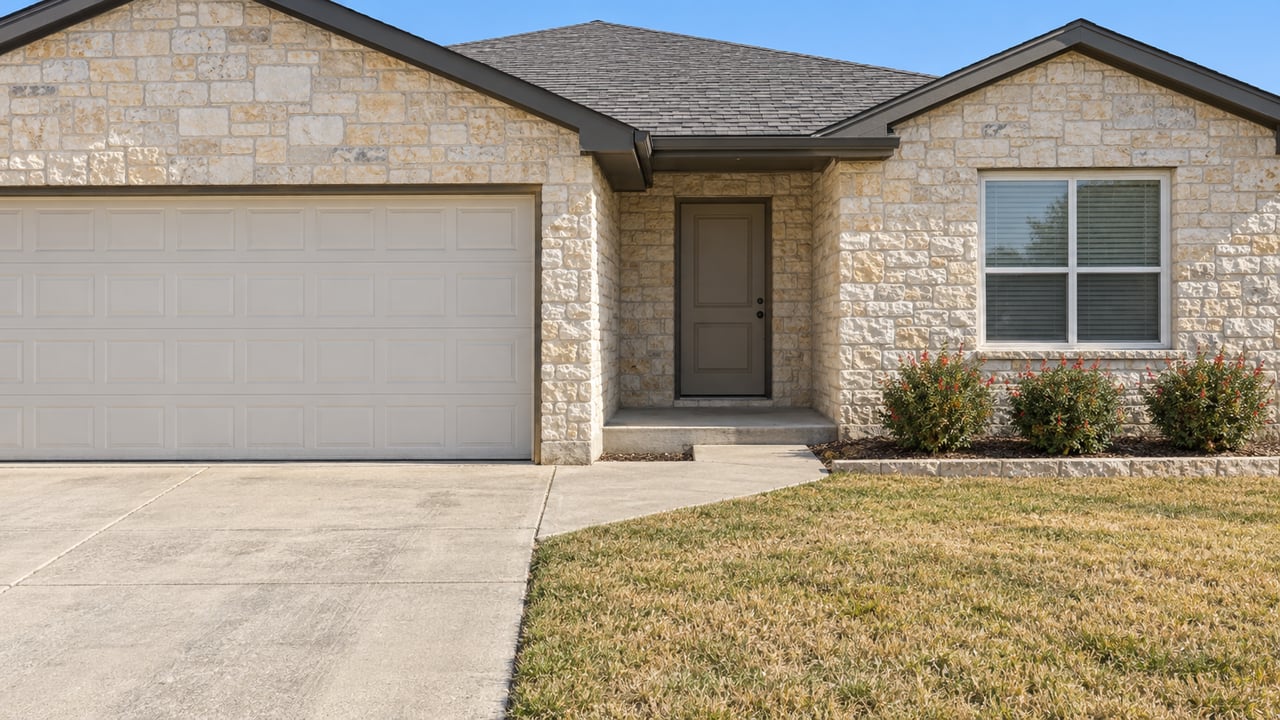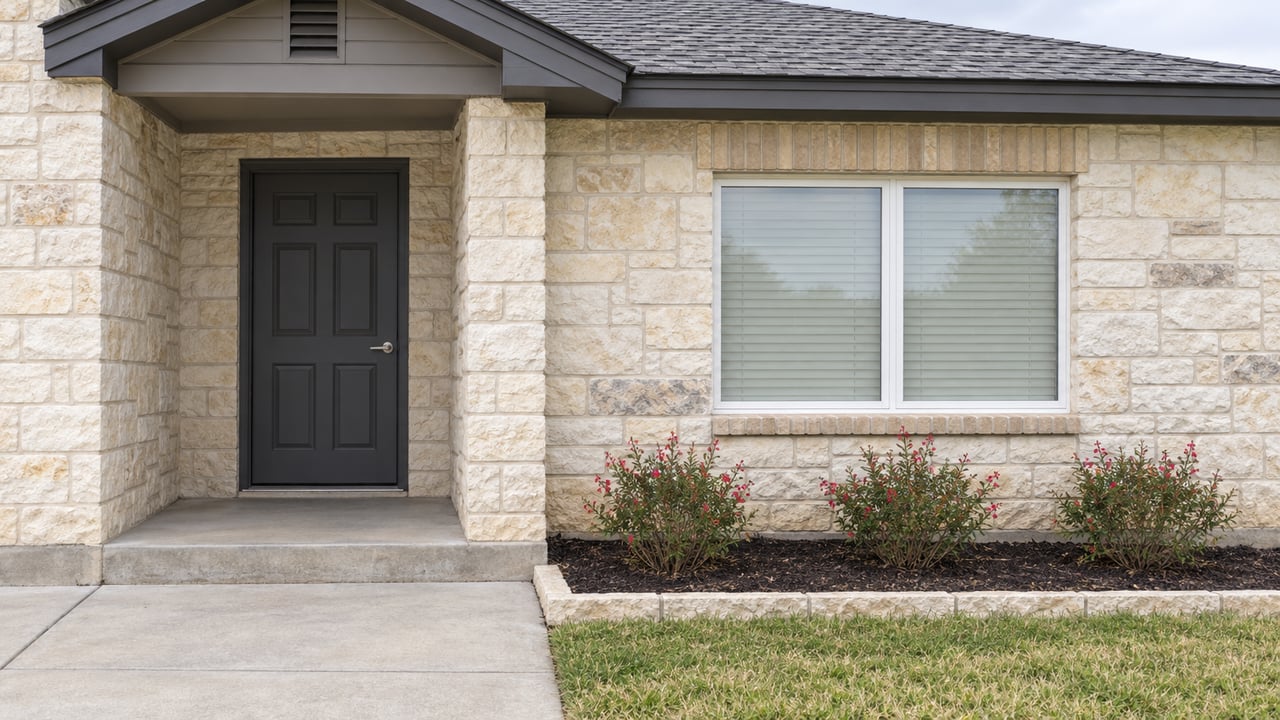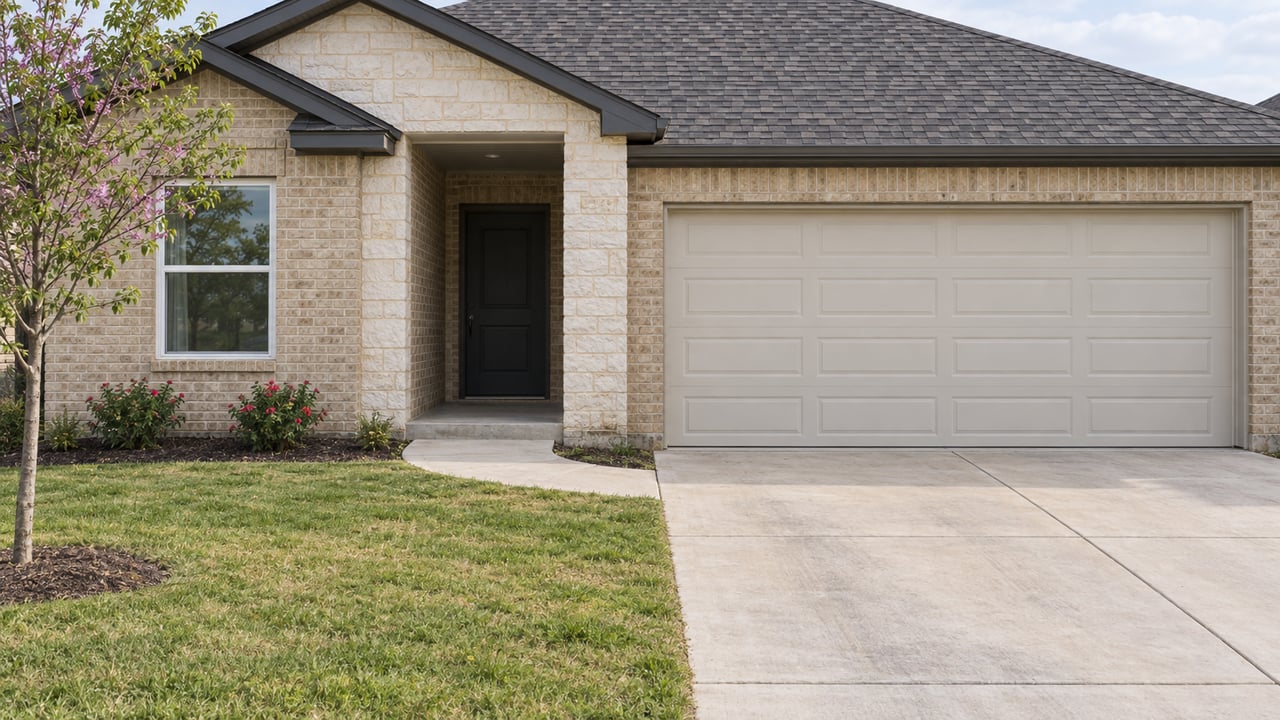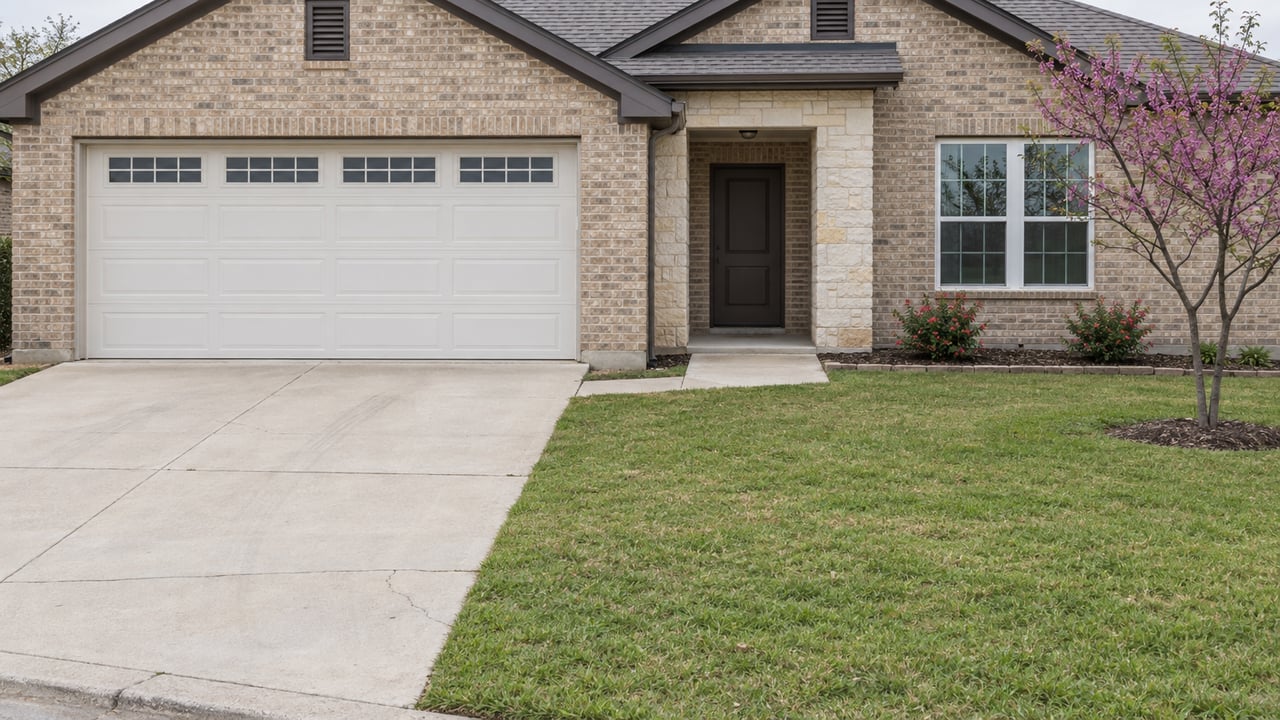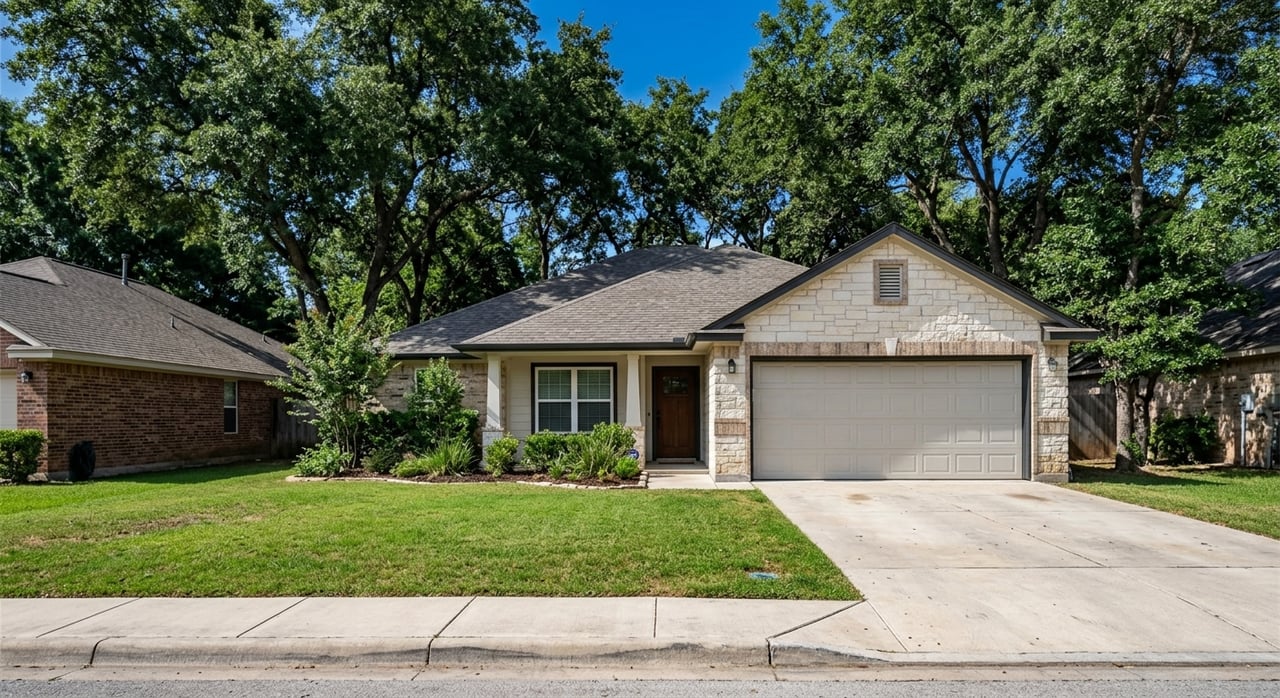
If you are wondering whether Salado is just a fun day-trip town or a place you can truly call home, the short answer is yes, people do enjoy living here year round. Salado offers a small-town setting with a strong sense of place, easy access to I-35, and a lifestyle shaped by local events, creek-side spaces, and a walkable historic core. If you are thinking about moving to Salado, this guide will help you understand what daily life actually feels like and what to expect before you make a move. Let’s dive in.
Salado has a distinct small-town feel
Salado is compact by design. Official community information lists the village at 2.8 square miles with a population of 2,394, so you are not moving to a large city with endless sprawl.
That smaller footprint shapes everyday life in a noticeable way. You will likely become familiar with Main Street, Royal Street, Salado Creek, and the town’s public spaces pretty quickly, which is part of the appeal for buyers who want a place that feels grounded and easy to learn.
Daily life centers on Main Street and the creek
One of the biggest things that stands out about living in Salado year round is how much of the town experience revolves around a few key areas. Main Street and Royal Street are where you will find many of the shops, galleries, restaurants, studios, and community gathering spots that give Salado its personality.
This is not a place where the lifestyle is built around big-city entertainment districts. Instead, everyday living tends to feel more local, more relaxed, and more connected to the town’s historic setting and small business culture.
Local arts are part of the rhythm
Salado leans heavily into arts and culture. Official visitor materials highlight the Cultural Arts District, Royal Street art studios, live music venues, and the Royal Street Art Walk that takes place on the fourth Friday from March through October.
For year-round residents, that means local culture is not just something aimed at visitors. It is woven into the calendar and can become part of your regular routine if you enjoy browsing galleries, attending performances, or meeting friends in a walkable town center.
Events keep the calendar full
Salado has an active event schedule across the year. Recurring events include the Wildflower Arts & Crafts Festival, Salado Art Fair, Salado Cowboy Poetry & Music Gathering, Scottish Gathering & Highland Games, Salado Christmas Stroll, and Tablerock productions such as plays and musicals.
That steady lineup can make the town feel lively even though it is small. If you like living somewhere with recurring public events and seasonal traditions, Salado offers more activity than many towns of similar size.
Outdoor living is a real part of life
Salado’s outdoor spaces are one of its strongest year-round advantages. The village highlights Salado Creek, Pace Park, Sirena Park, the Salado Sculpture Garden, the Green Walking Bridge, and the Boles-Aiken Log Cabin as part of the local parks experience.
Pace Park in particular includes creek access, a playground, restrooms, and a pavilion. That gives residents practical places to spend time outside, whether you want a quiet walk, a picnic, or a casual afternoon with family or friends.
Nearby lakes expand your options
Living in Salado also puts you near larger outdoor recreation areas in Bell County. Belton Lake offers fishing, boating, camping, picnicking, and nature trails, while Stillhouse Hollow Lake adds boating, fishing, swimming, camping, and hiking opportunities.
If you like a lifestyle that includes weekends outside, this location makes that easier. You can enjoy a small-town home base while still having access to bigger recreation options nearby.
The climate supports a long outdoor season
Salado follows a typical Central Texas climate pattern. NOAA normals for nearby Killeen show average highs in July and August in the mid-90s, January average highs and lows around 59.5 and 36.1 degrees, about 34.75 inches of annual precipitation, and essentially no annual snowfall.
In practical terms, you can expect hot summers and mild winters. For many buyers, that means a long season for creek-side outings, park visits, and local events, but it also means you need to be comfortable with summer heat.
Commuting is convenient if you are comfortable driving
Salado’s location on I-35 is one of its biggest practical advantages. It sits between Waco and Austin and connects easily into the broader Temple-Belton-Killeen area.
For many residents, that makes Salado appealing because you can enjoy a quieter home setting while still reaching nearby job centers, shopping, services, and regional destinations without a complicated route.
Limited transit exists, but most people will drive
The HOP provides Bell County-Salado service Monday through Friday from 8 a.m. to 5 p.m., along with microtransit and commuter options in the Temple-Belton area. That gives the town some regional transit connection, but it is limited compared with what you would find in a larger metro area.
For day-to-day life, Salado works best if you plan to use a car for most errands and commuting. Buyers moving from more urban areas should keep that in mind when comparing lifestyle expectations.
Schools and community infrastructure are straightforward
Salado Independent School District lists three campuses: Thomas Arnold Elementary, Salado Middle School, and Salado High School. The district also publishes transportation routes, which can be helpful if you are planning around school-day logistics.
The village profile also shows a highly educated adult population, with 98.3% of adults age 25 and older holding at least a high school diploma and 55.9% holding a bachelor’s degree or higher. Along with the town’s parks, programming, and community garden, that points to a place where many residents are invested in local life.
Housing in Salado comes at a premium
One of the biggest realities of living in Salado year round is cost. Current market data places the average home value around $492,027, with a median list price of $611,483 as of April 30, 2026, and Realtor.com describes Salado as a buyer’s market.
At the same time, the village’s community profile shows an older 2020 ACS median owner-occupied value of $291,800 and a total local tax rate of 2.182402. Those numbers are from different timeframes, but together they show why buyers should look at both purchase price and ongoing carrying costs.
Why prices tend to stay elevated
Salado offers a mix that is hard to find in one place. You get a historic small-town setting, arts and events, outdoor access, and a location with solid regional connectivity.
That combination helps explain why buyers are often willing to pay more for the area. If you are considering Salado, it is smart to balance the lifestyle benefits against your budget, commute needs, and long-term plans.
Who tends to enjoy Salado most
Salado often appeals to buyers who want a quieter setting without feeling cut off from the rest of Bell County. It can be a strong fit if you enjoy local events, small businesses, outdoor spaces, and a town identity that feels more distinctive than a typical highway stop.
It may also work well for buyers who want access to Temple, Belton, Killeen, or even occasional trips toward Waco or Austin while still coming home to a more relaxed pace. On the other hand, if you want a dense urban environment or rely on extensive public transit, Salado may feel too limited.
What living in Salado is really like
Year round, Salado feels like a small Central Texas town with an active public face. There is enough going on to keep life interesting, but the scale stays manageable and personal.
That is really the core of the Salado lifestyle. You are not choosing it for nonstop convenience or the lowest price point in Bell County. You are choosing it because you want charm, local identity, outdoor access, and a town that feels like a place rather than just a subdivision off the interstate.
If you are weighing Salado against other Bell County communities, the right move often comes down to your budget, commute, and how much you value Salado’s distinct character. If you want help comparing neighborhoods, home options, or nearby communities, reach out to Bradley Sheppard for local guidance.
FAQs
What is daily life like in Salado, Texas?
- Daily life in Salado often centers on Main Street, Royal Street, Salado Creek, local parks, shops, galleries, restaurants, and a steady calendar of community events.
Is Salado, Texas a good place to live year round?
- Salado can be a great fit year round if you want a small-town setting, local events, outdoor recreation, and convenient I-35 access to other parts of Bell County and Central Texas.
Is Salado, Texas expensive compared with nearby areas?
- Salado is considered a premium small-town market in Bell County, with current home values and list prices reflecting its strong lifestyle appeal and limited size.
Do you need a car to live in Salado, Texas?
- In most cases, yes. Limited transit is available through The HOP on weekdays, but most residents will find driving is the most practical way to handle errands and commuting.
What outdoor activities are near Salado, Texas?
- Residents have access to Salado Creek, local parks, walking areas, picnic spots, and nearby recreation at Belton Lake and Stillhouse Hollow Lake for boating, fishing, camping, swimming, and hiking.
What schools serve Salado, Texas?
- Salado Independent School District lists Thomas Arnold Elementary, Salado Middle School, and Salado High School as the community’s three campuses.